India Tour of England 2026
T20I/ODI
No India Tour of England 2026 events scheduled.
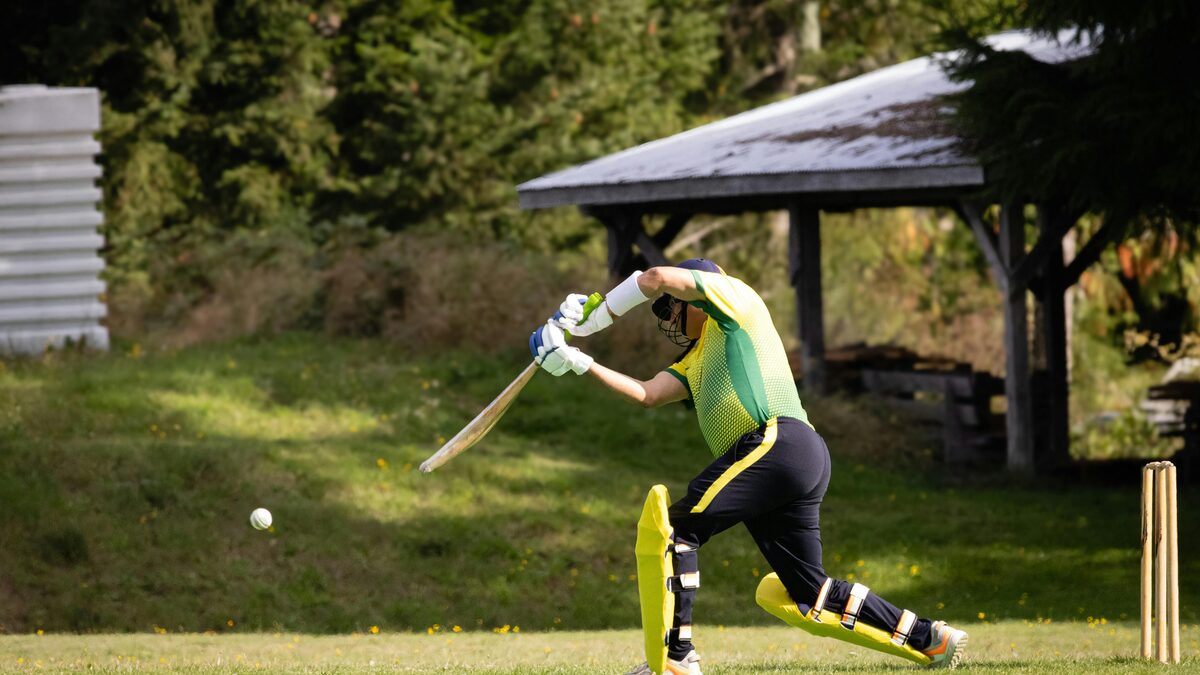

The India Tour of England 2026 runs from July 1 to 19, featuring T20I and ODI cricket between two of the most marketable cricket teams in the world. This is a white-ball tour without Test matches, scheduled in the window between the end of the English Test summer's first act (the New Zealand series) and the beginning of The Hundred. India's tours of England generate enormous commercial interest and broadcast audiences, driven by the size of the Indian cricket market and the passion of the Indian diaspora population in the United Kingdom, which is one of the largest outside India itself.
The T20I and ODI formats produce cricket that is accessible to casual viewers while still carrying competitive weight for both teams. India's white-ball squad is built around some of the most talented cricketers in the world, with a batting lineup capable of scoring at rates that transform matches in a matter of overs and a bowling attack that combines pace and spin variety. England's approach to white-ball cricket, transformed by Eoin Morgan's revolution starting in 2015 and continued under subsequent captains, emphasises aggressive, fearless batting and the willingness to take risks in pursuit of victory.
England's July conditions present an interesting challenge for both teams. The pitches tend to be flat and true, with the dry summer surfaces favouring batting over bowling. However, English cloud cover can arrive without warning, and when overcast conditions combine with a new white ball, seam bowlers can produce movement that changes the game's dynamics. The ODI format in particular rewards teams that can adapt quickly to changing conditions, and the best teams in world cricket are those that can adjust their approach mid-innings as the pitch, weather, and match situation evolve.
India's white-ball cricket in England carries a history of both triumph and frustration. India won the 2002 NatWest Trophy Final in one of the most dramatic ODI finishes ever played, with Mohammad Kaif and Yuvraj Singh mounting a chase that became the template for Indian ODI batting under pressure. More recently, India's T20I performances in England have showcased the depth of their white-ball talent pool, with players rotating between IPL franchises and international duty with a seamlessness that reflects the quality of Indian cricket's development system.
For viewers across the world, the July scheduling and British timezone provide accessible viewing. A T20I starting at 18:30 BST (UTC+1) is 23:00 IST in India, manageable as a late-evening watch. For US East Coast fans, 13:30 EDT is a comfortable afternoon slot. ODIs starting at 13:00 BST become 17:30 IST, an ideal early-evening time for the Indian audience. Check whatisthetime.now/country/united-kingdom for UK time or whatisthetime.now/country/india for Indian time details.

FAQ
- How many matches are in the India Tour of England 2026?
- The India Tour of England 2026 has 0 matches scheduled.
- What format is the India Tour of England 2026?
- The India Tour of England 2026 is played in T20I/ODI format.