Venue
Pallekele International Cricket Stadium
Kandy, Sri Lanka
Past results (14)
- Pakistan vs Sri LankaBilateral series
- Pakistan vs Sri LankaICC Men's T20 World Cup 2026
- England vs PakistanBilateral series
- England vs PakistanICC Men's T20 World Cup 2026
- England vs Sri LankaBilateral series
- England vs Sri LankaICC Men's T20 World Cup 2026
- Australia vs OmanBilateral series
- Australia vs OmanICC Men's T20 World Cup 2026
- Ireland vs ZimbabweBilateral series
- Ireland vs ZimbabweICC Men's T20 World Cup 2026
- Australia vs Sri LankaBilateral series
- Australia vs Sri LankaICC Men's T20 World Cup 2026
- Sri Lanka vs OmanBilateral series
- Sri Lanka vs OmanICC Men's T20 World Cup 2026
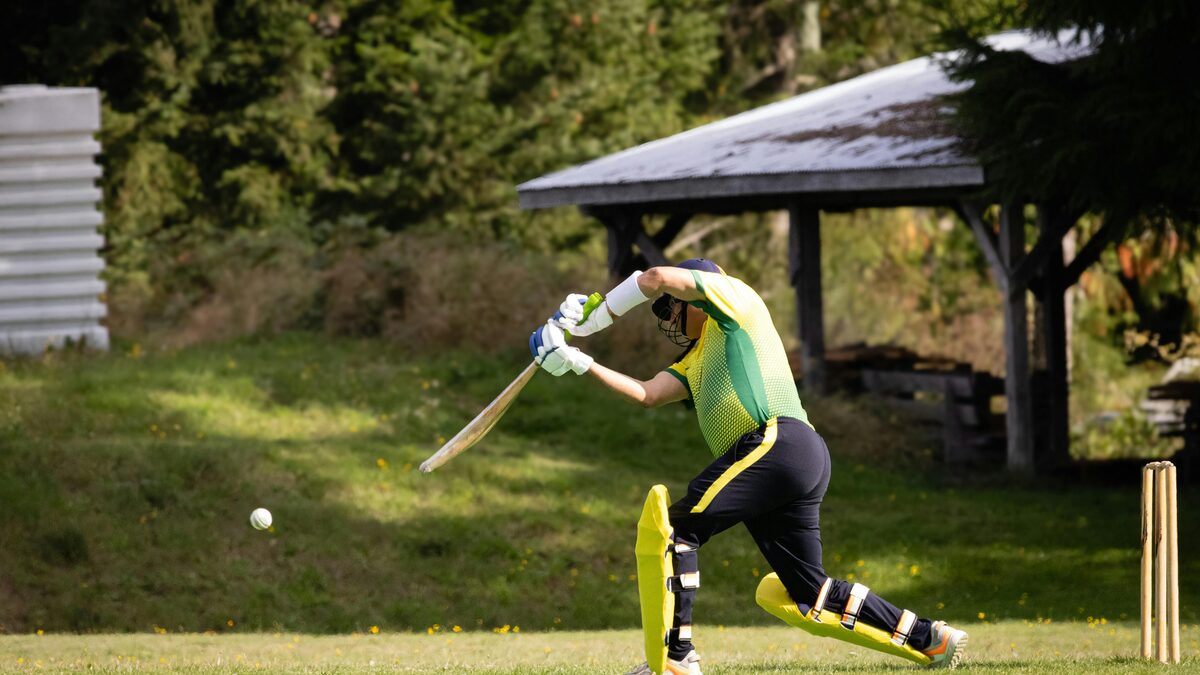

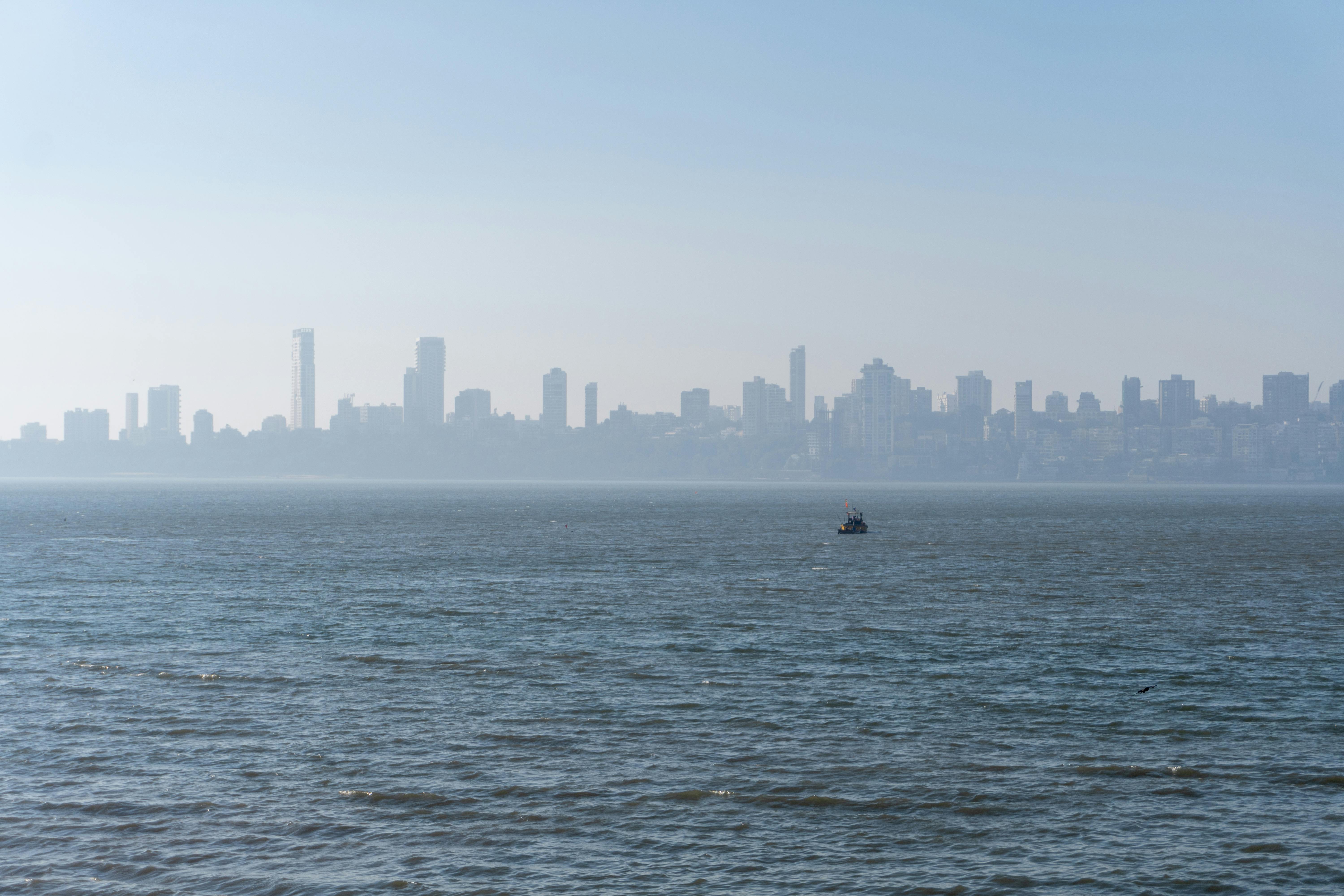
Pallekele International Cricket Stadium in Kandy, Sri Lanka (35,000 capacity) stands in the central highlands at roughly 500 metres above sea level, surrounded by tea plantations and misty green hills. The ground was built for the 2011 Cricket World Cup and has since become one of Sri Lanka's most important international venues, hosting Test matches, ODIs, and T20Is alongside domestic cricket. The hill-country setting gives Pallekele a visual quality unlike any other cricket ground in the sport. The mist that settles over the surrounding hills in the morning, the green backdrop rising behind the stands, and the cooler temperatures compared to coastal Colombo create an atmosphere that is simultaneously dramatic and serene.
The stadium holds 35,000 spectators in modern stands that wrap around the playing area, with good sightlines from every section. The ground's design is functional rather than ornate, with the spectacular natural surroundings doing the aesthetic work that architecture handles at urban venues. The outfield drains well despite the regular rainfall that characterizes Kandy's climate, and the playing surface has developed a reputation for offering more assistance to pace bowlers than most Sri Lankan venues, making it an attractive ground for touring teams that arrive with strong seam attacks.
The conditions at Pallekele are shaped by altitude and rainfall. The air at 500 metres is cooler and less dense than at sea level, which affects how the ball swings through the atmosphere. Pace bowlers consistently find more movement at Pallekele than at the R. Premadasa Stadium in Colombo, and the pitch offers bounce that rewards aggressive fast bowling. Mornings are typically the best time for cricket, with clear skies and comfortable temperatures in the mid-20s. As the day progresses, cloud builds over the hills, and by late afternoon the probability of rain increases substantially. The monsoon season from October to January brings particularly heavy rainfall, though the ground's drainage allows play to resume quickly after showers.
Kandy itself is Sri Lanka's second city and a place of deep cultural significance. The Temple of the Tooth Relic, which houses what is believed to be a tooth of the Buddha, draws pilgrims from across the Buddhist world, and the city's spiritual character influences the atmosphere at cricket matches. The Kandy crowd is intense but more contemplative than the raucous Colombo supporters, and international players who have played at both venues note that the energy at Pallekele feels focused and concentrated rather than chaotic.
Test matches at Pallekele have produced memorable cricket, with the shift in conditions between sessions creating a two-phase contest. The first morning session, when the pitch is fresh and the air carries moisture, belongs to pace bowlers. As the match progresses and the surface dries, spinners take over, and the game enters a different phase entirely. This natural evolution within a single match makes Pallekele one of the more tactically interesting venues in Asian cricket.
Kandy operates on Sri Lanka Standard Time (SLST, UTC+5:30). A morning Test session starting at 10:00 SLST translates to 05:30 BST in London and 00:30 AM EDT in New York. Evening T20 matches at 19:30 SLST are 15:00 BST, a comfortable afternoon slot for European viewers. Check whatisthetime.now/kandy for current local time or whatisthetime.now/country/sri-lanka for Sri Lankan timezone information.