Venue
Sir Vivian Richards Stadium
North Sound, Antigua & Barbuda
Past results (5)
- Antigua & Barbuda Falcons vs St Kitts & Nevis PatriotsBilateral seriesData may be out of date
- Antigua & Barbuda Falcons vs Guyana Amazon WarriorsBilateral seriesData may be out of date
- Antigua & Barbuda Falcons vs Trinbago Knight RidersBilateral seriesData may be out of date
- Antigua & Barbuda Falcons vs Saint Lucia KingsBilateral seriesData may be out of date
- Antigua & Barbuda Falcons vs Barbados RoyalsBilateral seriesData may be out of date
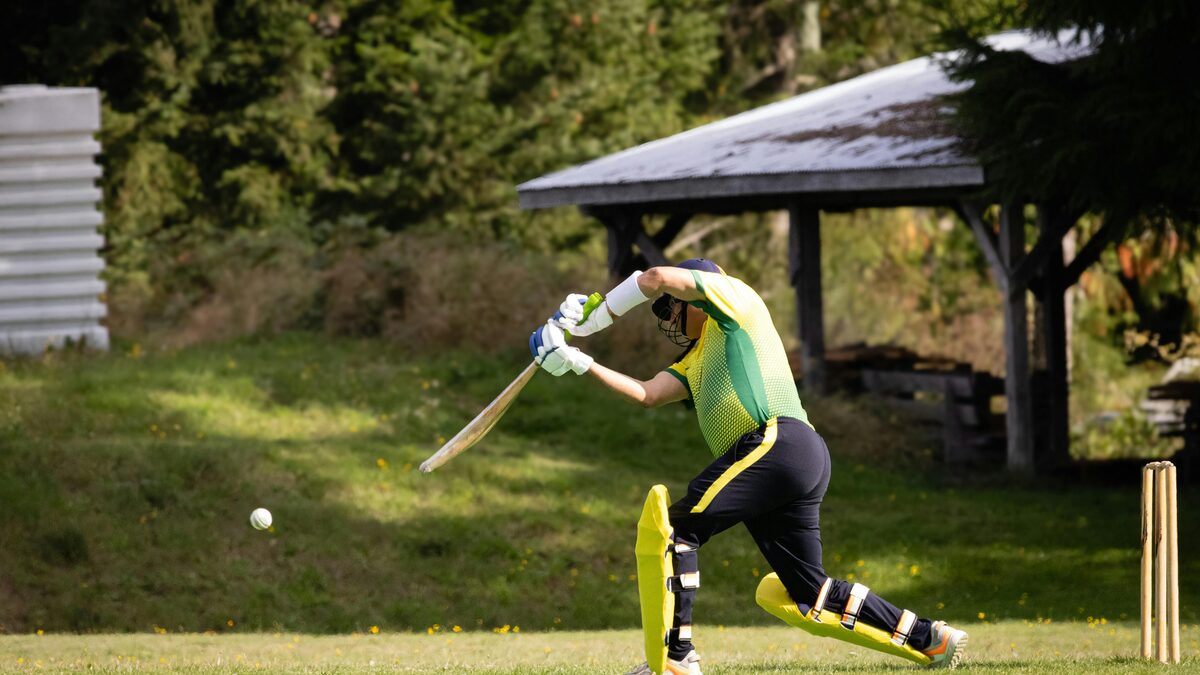

The Sir Vivian Richards Stadium in North Sound, Antigua and Barbuda (10,000 capacity) is named after the man widely regarded as the greatest batsman the Caribbean has ever produced. Sir Vivian Richards, born in St John's, Antigua, played 121 Test matches for the West Indies between 1974 and 1991, scoring 8,540 runs at an average of 50.23 with a strike rate and an attitude that defined an era. The stadium bearing his name sits on the northern coast of Antigua, outside the capital, and its construction for the 2007 Cricket World Cup was a statement of intent by the Antiguan government about the island's place in Caribbean cricket.
The ground holds 10,000 spectators in its current configuration, with the capacity reflecting the island's small population of roughly 100,000 people rather than any lack of cricketing ambition. The stands are modern and well-maintained, with the North Sound area providing a backdrop of low Caribbean scrubland and the azure water visible in the distance on clear days. The Sir Vivian Richards Stadium replaced the Antigua Recreation Ground (ARG) in St John's as the island's primary cricket venue, and while some Antiguans still mourn the loss of the ARG's intimate, urban character, the new ground provides facilities that meet ICC requirements for international cricket.
Playing conditions at the Sir Vivian Richards Stadium are tropical, with consistent warmth, high humidity, and the trade winds that blow across the Leeward Islands providing a persistent breeze that affects both bowling and fielding. The pitch has produced variable conditions over the years, with some surfaces offering pace and bounce suited to fast bowlers and others playing slow and low in a way that frustrates batsmen looking to play attacking strokes. The ground's early years were marred by pitch preparation problems, including a notorious Test match in 2009 that was abandoned after just 10 balls due to an unsafe surface, but standards have improved significantly since then.
Antigua's cricket heritage extends far beyond Sir Vivian Richards, though he remains its towering figure. Andy Roberts, the first great West Indian fast bowler from the island, Richie Richardson, who captained the West Indies in the 1990s, and Curtly Ambrose, whose 6-foot-7-inch frame and relentless accuracy terrorised batsmen for over a decade, all came from this small island. That four cricketers of such quality emerged from a population smaller than most English towns is one of the sport's most remarkable statistical facts, and the stadium named after the greatest of them carries the weight of that tradition.
The CPL brings annual franchise cricket to the Sir Vivian Richards Stadium, and the ground also hosts West Indies home internationals and regional fixtures. The carnival atmosphere at CPL matches here reflects Antigua's broader cultural identity as a place where music, celebration, and sport are intertwined.
Antigua operates on Atlantic Standard Time (AST, UTC-4). A CPL match at 19:00 AST translates to 19:00 EDT in New York during summer, 00:00 midnight BST in London, and 04:30 IST the next morning in India. Check whatisthetime.now/country/antigua-and-barbuda for current local time.