Venue
The Wanderers Stadium
Johannesburg, South Africa
Next event at The Wanderers Stadium
- Johannesburg, South Africa10:00Thu, 17 December 2026
- Mumbai, India13:30Thu, 17 December 2026
- Karachi, Pakistan13:00Thu, 17 December 2026
- London, United Kingdom08:00Thu, 17 December 2026
- Sydney, Australia19:00Thu, 17 December 2026
- Auckland, New Zealand21:00Thu, 17 December 2026
- Dubai, UAE12:00Thu, 17 December 2026
- New York, USA03:00Thu, 17 December 2026
- Toronto, Canada03:00Thu, 17 December 2026
Upcoming
- South Africa vs EnglandEngland Tour of South Africa 2026-27
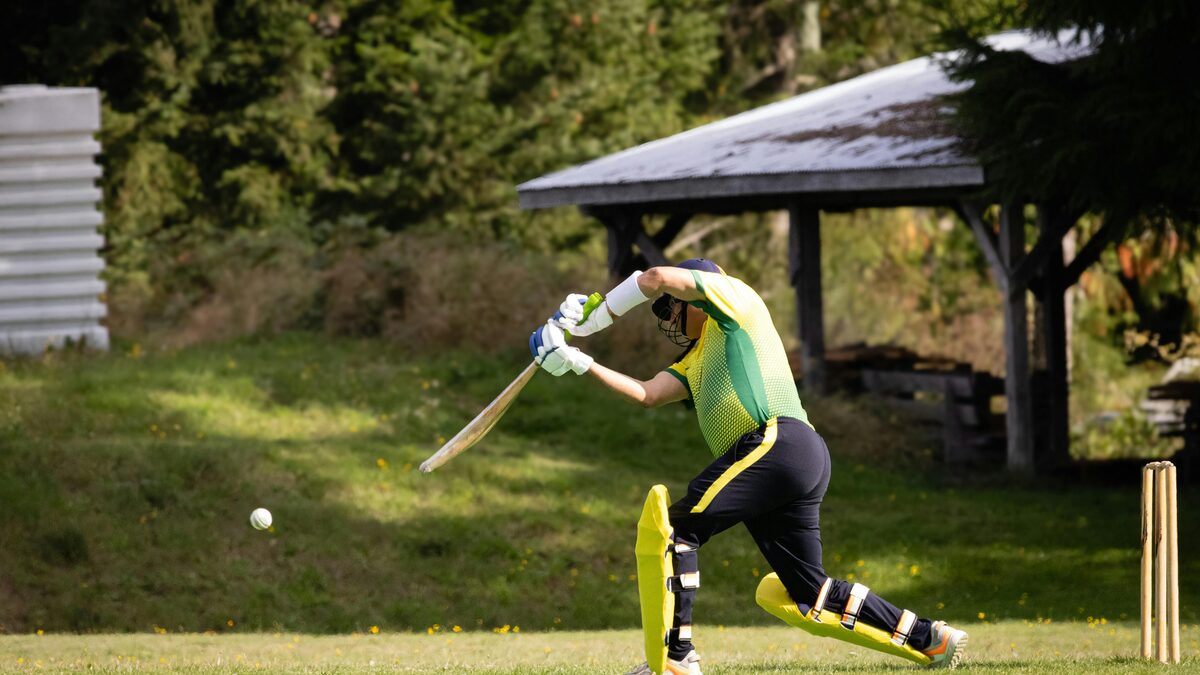

The Wanderers Stadium in Johannesburg, South Africa (34,000 capacity), known as "The Bullring," is the home of the Highveld Lions. On March 12, 2006, it was the venue of the greatest ODI run chase in cricket history: Australia scored 434 for 4, the highest total in One Day International history at that point, and the match seemed over. Except it was not. South Africa chased down 438 with one wicket and one ball to spare. Herschelle Gibbs scored 175 off 111 balls. The final over, bowled by Brett Lee with South Africa needing 7 to win, ended with Mark Boucher hitting Lee through the off side for four to seal the most extraordinary run chase in cricket history. The 34,000 people inside the Bullring witnessed something that had never happened before and has never happened since.
The Wanderers holds 34,000 spectators and sits in Illovo, one of Johannesburg's northern suburbs, surrounded by jacaranda trees that bloom purple in October and November. The ground earned its nickname, the Bullring, from the shape of its steeply banked stands that create a colosseum effect, channeling noise directly onto the pitch. When South Africa play well, the Bullring roars. When they struggle, the silence is equally intense. The Johannesburg crowd is demanding, knowledgeable, and not afraid to let their feelings be known.
Playing conditions at the Wanderers are unique in world cricket. Johannesburg sits at 1,753 meters above sea level, and the altitude has a profound effect on the game. The ball travels further in the thinner air, outfield boundaries that would be comfortable at sea level suddenly become reachable with a good swing, and bowlers find their yorkers slipping into full tosses as the ball skids through faster than expected. The altitude also means the ball bounces more, and the Wanderers pitch, which is hard and fast, produces bounce that challenges batsmen who are not accustomed to the ball climbing above shoulder height from a good length.
The thunderstorms that roll over Johannesburg on summer afternoons are legendary. Lightning, wind, and heavy rain can stop play for hours, and the ground's drainage, while improved, sometimes struggles with the volume of water that falls in a Highveld storm. The post-storm conditions, with moisture in the air and a damp pitch, produce dramatic swing bowling. The sunsets over the Wanderers after these storms, when the Highveld sky turns orange and purple and the floodlights take over, are among the most beautiful sights in world cricket.
The ground's facilities have been steadily upgraded, with improved hospitality areas and broadcast infrastructure, but the essential character of the Bullring remains unchanged: steep, close, loud, and unforgiving to touring teams who arrive without mental preparation for the atmosphere and the altitude.
In 2026, the Wanderers hosts South Africa's home international fixtures, including Test matches and white-ball series. The ground is also a regular venue for domestic T20 competitions and CSA T20 Challenge matches.
Johannesburg operates on South Africa Standard Time (SAST, UTC+2), with no daylight saving adjustment. A Test match starting at 10:00 SAST is 08:00 GMT in London, 03:00 AM EST in New York, and 13:30 IST in India. The timing works well for European and Indian audiences. Check whatisthetime.now/johannesburg for current local time or whatisthetime.now/country/south-africa for South African timezone information.