Venue
Wankhede Stadium
Mumbai, India
Past results (16)
- England vs IndiaBilateral series
- England vs IndiaICC Men's T20 World Cup 2026
- Zimbabwe vs West IndiesBilateral series
- Zimbabwe vs West IndiesICC Men's T20 World Cup 2026
- Scotland vs NepalBilateral series
- Scotland vs NepalICC Men's T20 World Cup 2026
- West Indies vs NepalBilateral series
- West Indies vs NepalICC Men's T20 World Cup 2026
- Nepal vs ItalyBilateral series
- Nepal vs ItalyICC Men's T20 World Cup 2026
- England vs West IndiesBilateral series
- England vs West IndiesICC Men's T20 World Cup 2026
- England vs NepalBilateral series
- England vs NepalICC Men's T20 World Cup 2026
- India vs United StatesBilateral series
- India vs United StatesICC Men's T20 World Cup 2026

Wankhede Stadium in Mumbai, India (33,000 capacity) is the most storied cricket ground in India's commercial capital and the venue where the country's greatest modern cricketing moment took place. On April 2, 2011, India defeated Sri Lanka in the Cricket World Cup Final at Wankhede, with MS Dhoni hitting a six over long-on to seal the victory. Sachin Tendulkar was carried around the ground on his teammates' shoulders while 33,000 people wept. India had won the World Cup for the first time in 28 years, and the greatest cricketer in the nation's history had claimed the trophy in his home city. That single evening cemented Wankhede's place in the mythology of Indian cricket, and every match played here since carries the echo of that night.
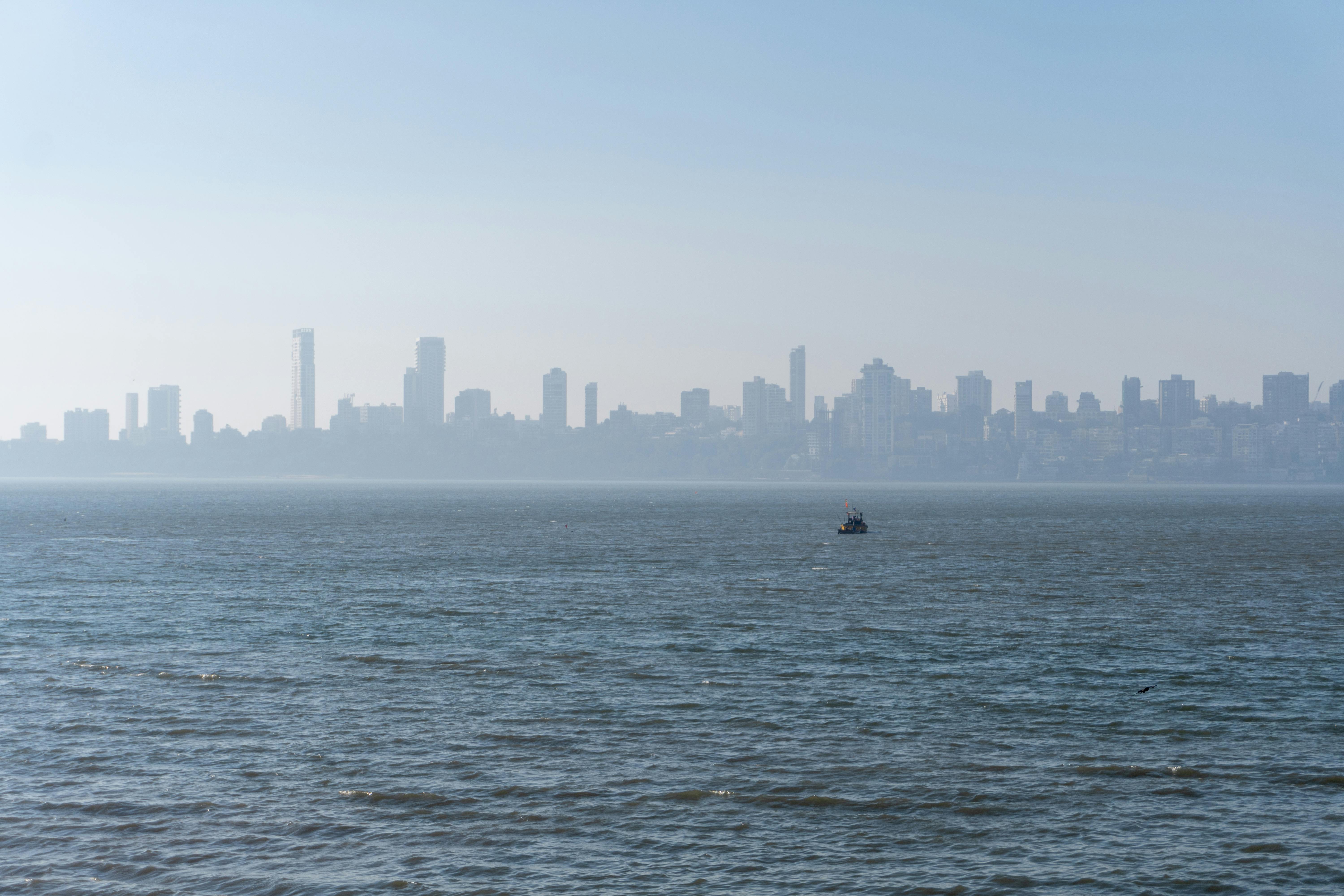
The stadium was built in 1974 in the Churchgate area of South Mumbai, between the financial district and the Arabian Sea. Its location in one of the most expensive real estate zones in Asia gives Wankhede a unique character: step outside the ground and you are in the heart of Mumbai's commercial centre, with Marine Drive's sweeping curve visible from the upper tiers. The sea breeze from the Arabian Sea rolls into the stadium during evening matches, carrying salt air that affects swing bowling and creates atmospheric conditions that vary from morning to evening within a single day.
Wankhede's pitch has traditionally offered more for pace bowlers than most Indian venues. The surface provides genuine bounce and carry, making it rewarding for fast bowlers who can extract movement off the seam. The combination of pace, sea breeze, and atmospheric humidity creates swing-friendly conditions, particularly in the first hour of play and again in the evening when the dew begins to settle. For IPL cricket, the dew factor is the dominant tactical consideration: the ball becomes slippery after sunset, making death bowling more difficult and giving a significant advantage to teams batting second.
Mumbai's cricket heritage is unmatched in India. The city has produced more international cricketers than any other, from Sunil Gavaskar and Sachin Tendulkar to Rohit Sharma and Jasprit Bumrah. Mumbai Indians, the IPL franchise that calls Wankhede home, have won five titles, more than any other team in the competition's history. The partnership between the franchise and the ground has deepened Wankhede's identity as a fortress of Indian cricket, and the Mumbai crowd, knowledgeable and demanding, holds every player to the standard set by the legends who came before them.
The ground underwent major renovation in 2010 ahead of the 2011 World Cup, adding new stands and improving facilities while maintaining the compact, steep-sided design that traps and amplifies crowd noise. At 33,000 capacity, Wankhede is not a large ground by Indian standards, and that intimacy is a core part of its atmosphere. The noise generated by a full house at Wankhede during an IPL knockout match is among the most intense in world cricket.
Mumbai operates on India Standard Time (IST, UTC+5:30). An IPL evening match at 19:30 IST translates to 15:00 BST in London, 10:00 AM EDT in New York, and 00:00 midnight AEST in Sydney. Check whatisthetime.now/mumbai for current local time or whatisthetime.now/country/india for Indian timezone details.