Venue
Lumen Field
Seattle, United States
Past results (6)
- USA vs BelgiumFIFA World Cup 2026
- Belgium vs SenegalFIFA World Cup 2026
- Egypt vs IranFIFA World Cup 2026
- Bosnia and Herzegovina vs QatarFIFA World Cup 2026
- USA vs AustraliaFIFA World Cup 2026
- Belgium vs EgyptFIFA World Cup 2026

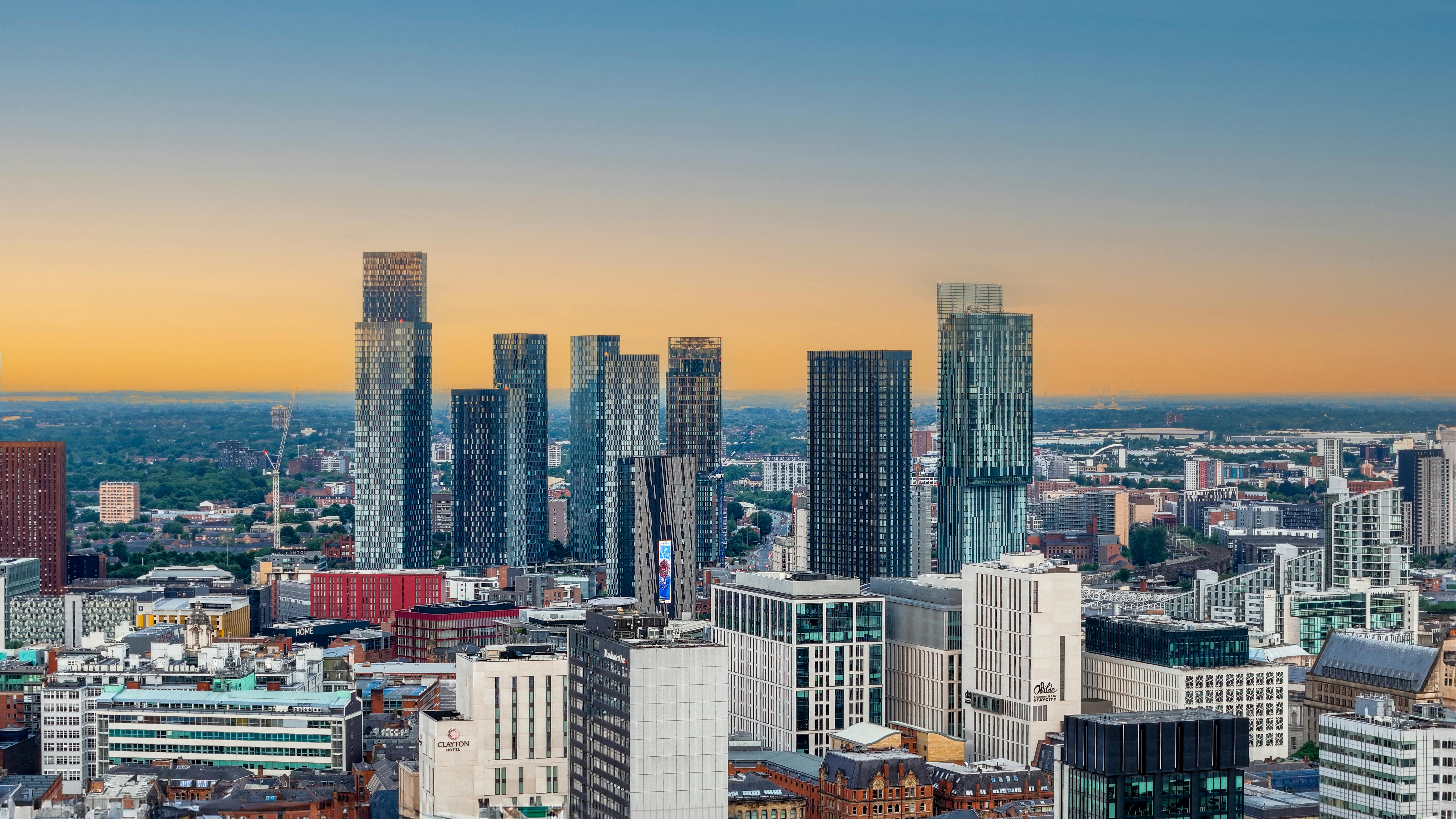
Lumen Field in Seattle, Washington (capacity 69,000) hosts 6 matches at the FIFA World Cup 2026, including a round of 16. The stadium opened in 2002 in Seattle's SoDo district, steps from the tidal flats of Elliott Bay, under skies that deliver 152 days of rain per year and a particular quality of grey light that arriving supporters from sunnier climates find either disorienting or beautiful. Seattle understands both reactions.
The stadium is built into a dense urban wedge between the waterfront and the I-5 freeway, with the Olympic Mountains visible on clear days to the west across Puget Sound. It is a downtown stadium in the way that very few American sports venues are: you can walk from Pike Place Market in 20 minutes, past the original Starbucks, through Pioneer Square's brick warehouse blocks, and arrive at the ground with the smell of the Sound still on your jacket. The city does not sprawl away from its stadium. It surrounds it.
The partial roof covering the upper tiers was engineered for two purposes that become relevant to World Cup football in different ways. The first is weather protection. Seattle's June averages 12 degrees and grey, with rain possible on any day of the month. The roof keeps the upper levels dry without sealing the bowl. The second is acoustic containment. The covered upper deck bounces noise back into the stadium rather than dispersing it into the Pacific Northwest air. In 2013, Seattle Seahawks fans set a world record for crowd noise at 137.6 decibels during an NFL game. The number has been disputed. The principle behind it has not.
The Seattle Sounders, who share Lumen Field with the Seahawks, average over 40,000 supporters per match, which makes them consistently the best-attended MLS club in the United States. Their supporter culture, organized through the Emerald City Supporters and several affiliated groups, has developed the kind of coordinated tifo and singing section culture that European ultras recognize on sight. Those same supporters, many of whom have followed Sounders internationally in CONCACAF Champions League campaigns, will be present for World Cup fixtures and will have spent years preparing for this moment.
The playing surface is artificial turf, which has generated the most significant controversy of Seattle's hosting selection. FIFA approved artificial surfaces for 2026 after consultation with players and federations, but several high-profile national team coaches have noted that the injury risk profile on artificial turf differs from natural grass, particularly for tackles and sliding challenges. The surface at Lumen is a fourth-generation hybrid infill system, the most advanced available, but it is not grass. In a knockout match where muscle strains and ankle rolls can decide championships, some coaches will factor the surface into squad selection and playing style.
The timezone is America/Los_Angeles, UTC-7 during Pacific Daylight Time throughout the tournament. Seattle and Vancouver, 230 kilometres north, share the same clock. A 19:00 kickoff at Lumen Field is 22:00 in New York, 03:00 the next morning in London, and 11:00 in Tokyo. West Coast scheduling is brutal for European audiences: even a 16:00 local start, the earliest practical afternoon slot, lands at 23:00 in London and midnight in Paris. For Asian viewers, the math runs the other way: a morning or late-morning kickoff in the Asia-Pacific corresponds to evening slots in Seattle.
Travel access is direct via King Street Station, a 10-minute walk from the ground, where Amtrak's Cascades service connects Portland, Tacoma, and Vancouver, BC, giving the region's football supporters straightforward match-day rail options. Light rail from Seattle-Tacoma International Airport to International District/Chinatown Station takes 38 minutes and deposits arriving supporters a 15-minute walk from the ground.
The 1994 World Cup bypassed the Pacific Northwest entirely. The venue lineup ran through the Sun Belt, the Midwest, and the Northeast, with California the only West Coast state represented through San Francisco and Los Angeles. Seattle's claim as the strongest football city in the United States, a claim its supporters have been making for two decades, went unexamined by the world's largest sporting event.
2026 ends the wait with more than group stage consolation. The six-match hosting schedule includes a round of 32 and a round of 16, which means knockout football arrives in the Emerald City alongside the group stage introduction. The Sounders' supporter culture, the acoustic properties of the covered bowl, and the city's relationship with football as something more than an occasional curiosity will be visible to a global audience for the first time.
The last time a knockout World Cup match of this magnitude came this close, Seattle fans drove to Vancouver, BC, to watch 1994 matches that their own city was not hosting. That particular detour ends in June 2026.
Frequently asked questions
- When are the World Cup 2026 matches at Lumen Field?
- Lumen Field hosts 6 matches between 2026-06-15 and 2026-07-07. All kick-off times on this page convert to your local timezone.
- How many World Cup 2026 matches are at Lumen Field?
- Lumen Field in Seattle hosts 6 matches at the FIFA World Cup 2026.
- What is the capacity of Lumen Field?
- Lumen Field has a FIFA tournament capacity of 69,000 for the 2026 World Cup.
- What timezone is Seattle in?
- Seattle is in the UTC timezone. All match times on this page are converted to your browser's local timezone.