Sailing 2026
52 Super Series Puerto Rubicón (TP52 Super Series)
2026-07-20
Status
Completed
Venue
The 52 Super Series Puerto Rubicon event runs July 20 to 25, 2026, at Puerto Rubicon on the south coast of Lanzarote, with TP52 grand prix monohulls competing in windward-leeward fleet racing on Atlantic trade winds that consistently blow 15 to 25 knots. Lanzarote sits just 125 kilometres off the coast of West Africa, and the TP52 Super Series schedules two events here in 2026 for its most physically demanding racing on the calendar.
The trade winds at Lanzarote are among the most reliable in the Atlantic. July brings northeast trades at 15-25 knots with remarkable consistency, driven by the Azores High pressure system that dominates the subtropical Atlantic through summer. The wind rarely drops below 12 knots and occasionally exceeds 30, creating some of the most physical racing on the TP52 calendar. Crews work harder here than at lighter Mediterranean venues, grinding winches and hiking on the rail through multi-hour sessions.
Racing starts at 12:00 WEST (UTC+1, the Canary Islands use Western European Summer Time). In London, that is 12:00 BST (same offset). Madrid sees 13:00 CEST, one hour ahead. New York gets 07:00 EDT, while Dubai at 15:00 GST has an accessible afternoon slot. Sydney at 21:00 AEST offers a viable evening option.
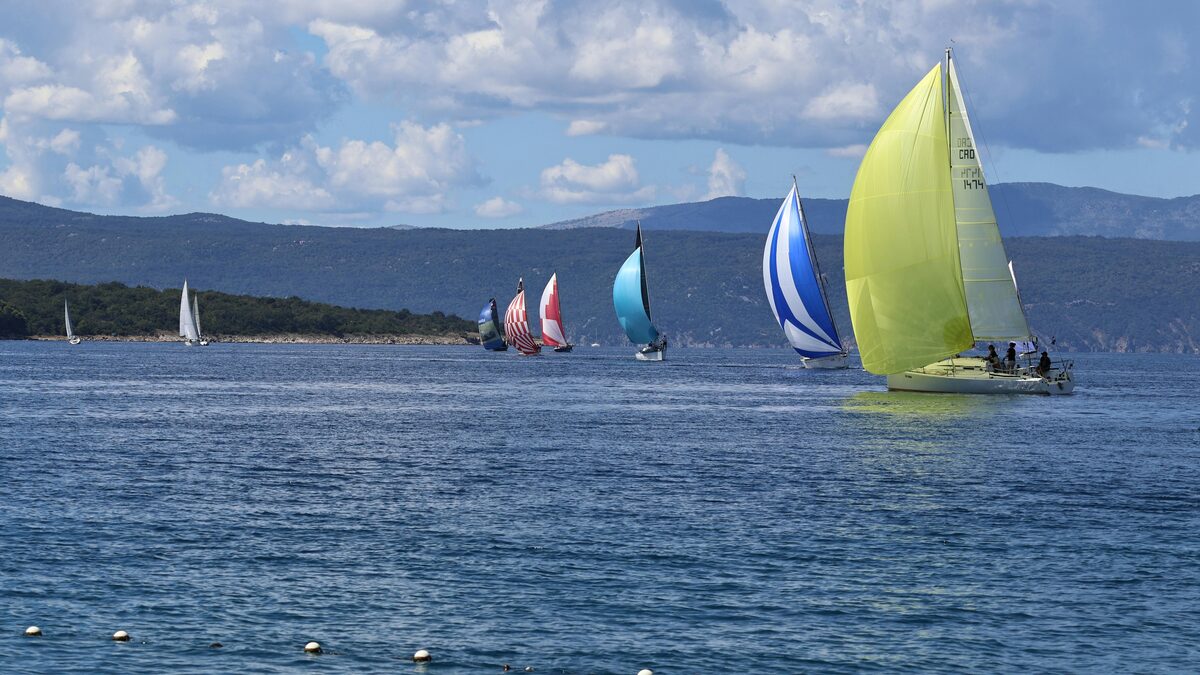
The waters around Puerto Rubicon are deep blue and largely free of the short chop that characterizes some enclosed Mediterranean venues. The Atlantic swell runs in from the northwest, creating a longer wavelength that TP52s handle well, planing down the faces of swells on reaching legs at speeds that can exceed 20 knots. The absence of land to windward means the breeze arrives clean and undisturbed.
Lanzarote was declared a UNESCO Biosphere Reserve in 1993, and the island's environmental protections extend to its waters. The volcanic island's stark beauty, designed and preserved under the artistic vision of Cesar Manrique, provides a unique backdrop for racing. From the racecourse, crews can see the Timanfaya Fire Mountains, where volcanic eruptions in the 1730s reshaped the island.

FAQ
- Where is 52 Super Series Puerto Rubicón (TP52 Super Series) being played?
- 52 Super Series Puerto Rubicón (TP52 Super Series) takes place at lanzarote.