Venue
The Solent / Cowes
Cowes, Isle of Wight, Great Britain
No sailing events scheduled at The Solent / Cowes.
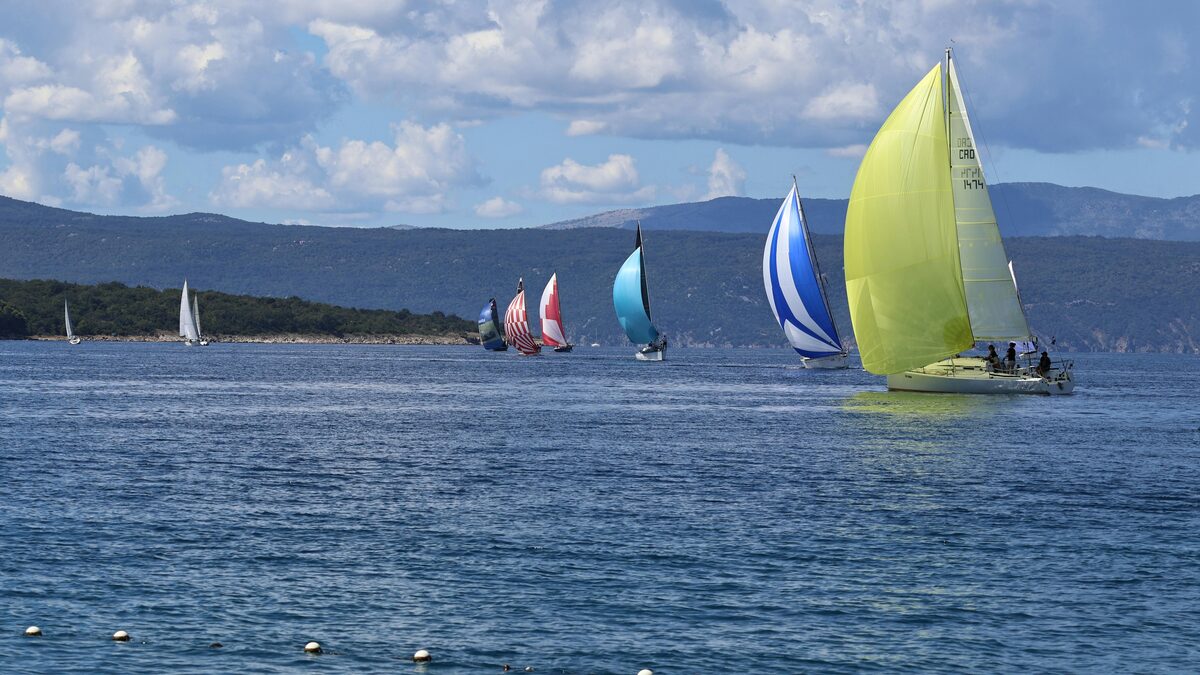

This is where it all started. In 1851, the schooner America sailed around the Isle of Wight, beat the entire British fleet, and carried home a trophy that became the America's Cup. The Royal Yacht Squadron, housed in a castle overlooking the start line, has fired its cannon to begin races since Queen Victoria watched from the shore. Two hundred years of competitive sailing trace back to this narrow strait between the south coast of England and the Isle of Wight. Cowes is not just a venue. It is the birthplace.
The Solent is approximately 20 miles long and 2 to 5 miles wide, and its defining characteristic is the tide. The double high tide, caused by the Isle of Wight's interference with the English Channel tidal pattern, creates two high waters roughly two hours apart. This produces current patterns that can exceed 3 knots in spring tides, flowing in directions that change with a complexity that baffles visiting sailors. Boats that look fast in open water get swept sideways here. Local knowledge is the only currency that matters, and it takes years to accumulate.
The prevailing summer wind blows from the southwest at 10 to 18 knots, but the Solent's narrow shape distorts it. Wind accelerates through the western entrance, curls behind the Isle of Wight at certain angles, and picks up thermal interference off the mainland coast. No two days sail the same. Sailors who race at Cowes regularly develop an intimate, almost physical feel for how the breeze behaves in each corner of the strait. That instinct is what separates the podium from the middle of the fleet.
Water temperature in August is 17 to 19 degrees Celsius. Cold enough to feel it if you go in.
Cowes Week has been held every August since 1826, making it one of the world's longest-running and largest sailing regattas. Up to 40 classes race simultaneously across the Solent, from grand prix IRM yachts to historic classics to junior keelboats. In peak years, around 500 boats compete across the week, managed by a race committee operation that is the envy of organizers worldwide. The Round the Island Race, starting from Cowes, typically draws more than 1,700 boats for a single-day coastal circumnavigation of the Isle of Wight.
The Fastnet Race, which starts from Cowes and rounds the Fastnet Rock off Ireland before finishing in Plymouth, is one of offshore sailing's most demanding and prestigious events. The 1979 Fastnet Race, when a severe storm in the Irish Sea caught the fleet and caused 21 deaths and 24 abandonments, remains the benchmark against which ocean racing safety is measured. Cowes sent those boats out and Cowes absorbed the aftermath: it is a venue that carries history in both its triumphs and its tragedies.
The town of Cowes, population of around 14,000, revolves around sailing the way a cathedral town revolves around its church. Yacht chandlers, sail lofts, and boat yards line the waterfront. Pubs serve pints to sunburned crews arguing about the race they just sailed. During Cowes Week, the population swells past 40,000, every mooring is taken, every anchorage crowded, every marina berth booked months in advance. The smell of the place is salt, antifoul paint, and fried food from the waterfront stands.
The best shore viewing is from the Royal Yacht Squadron lawn, the floating bridge pontoon, and the Parade in East Cowes. The Red Funnel ferry, crossing from Southampton every half hour, brings mainland spectators directly to the heart of the racing. For a week each August, the Solent is the most watched body of water in British sport.
The Royal Yacht Squadron is the world's most exclusive yacht club. Next to it, the Island Sailing Club and the Cowes Corinthian Yacht Club provide racing infrastructure across the week. The Cowes Combined Clubs organisation coordinates the week's racing across all classes, a logistical achievement that requires year-round planning. The Yacht Haven marina, the Groves and Gutteridge yard, and the town's concentration of marine trades support everything from pre-race preparation to mid-week emergency repairs.
The IANA timezone is Europe/London (BST, UTC+1 during summer, GMT UTC+0 in winter). A 10:00 BST start at Cowes converts to 11:00 CEST in Paris, 05:00 EDT in New York, and 19:00 AEST in Sydney.
And above it all, the castle. The cannon. The same waters where racing began, still producing the most tactically demanding sailing in the world.