Venue
Great Sound
Hamilton, Bermuda
No sailing events scheduled at Great Sound.
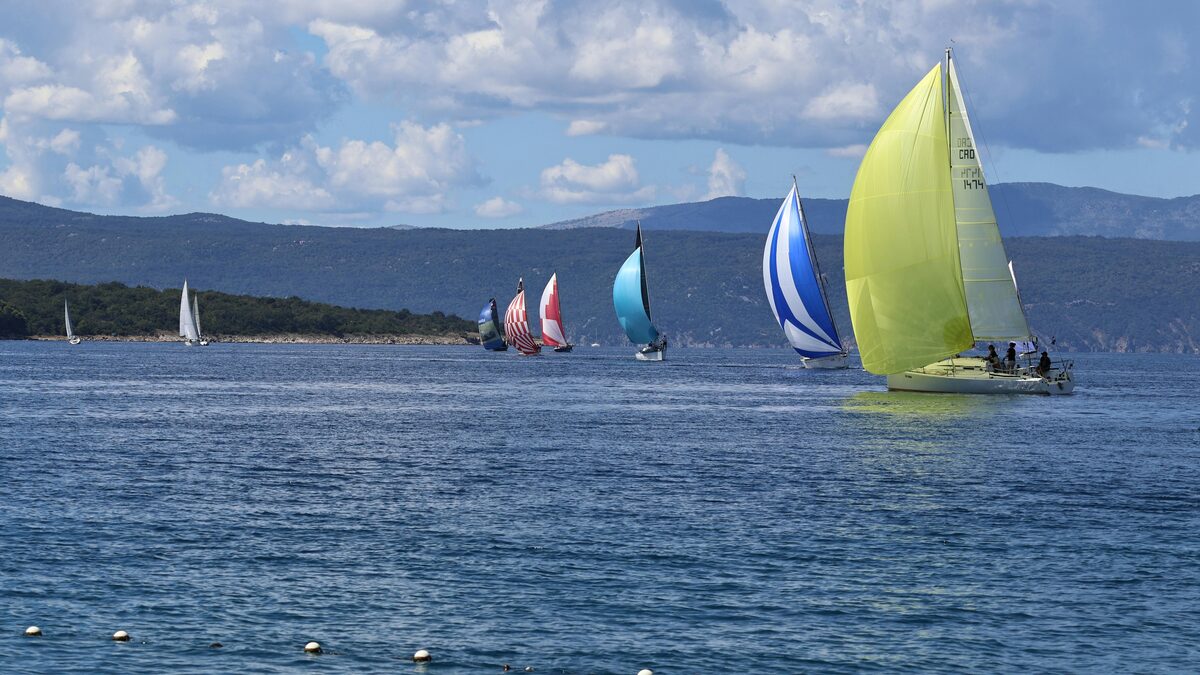

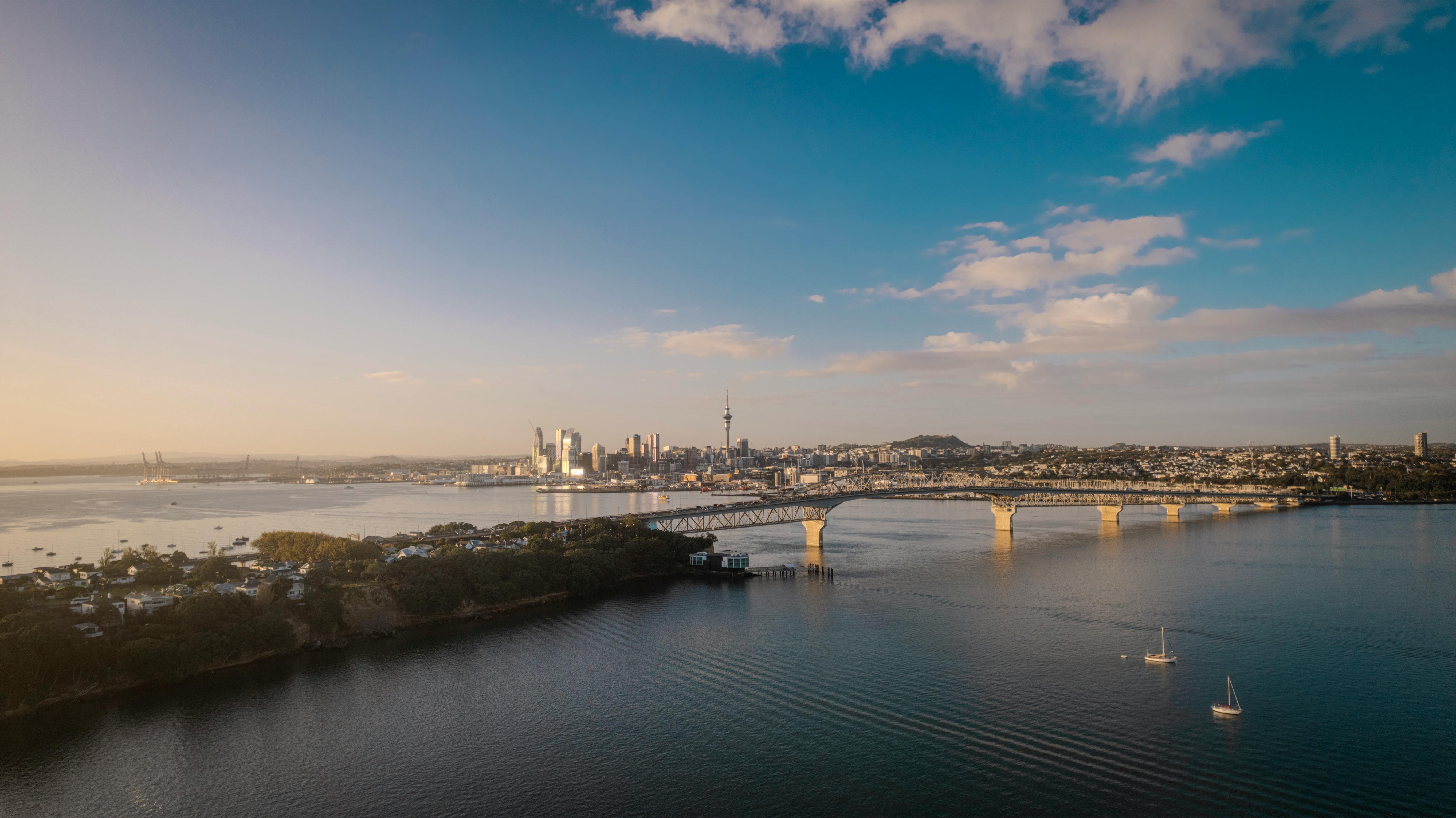
The Great Sound is Bermuda's premier racing venue, a sheltered body of water surrounded by low coral islands and backed by Hamilton's pastel-coloured waterfront. The venue hosted the 35th America's Cup in 2017 and hosts the Bermuda Sail Grand Prix in Season 6, with Cross Island providing the team bases and spectator village. The infrastructure built for that event continues to serve SailGP and other international regattas.
Bermuda sits at 32 degrees north in the mid-Atlantic, roughly 1,000 kilometres east of the US coast. The Gulf Stream passes nearby, moderating temperatures and creating weather patterns that combine subtropical warmth with Atlantic weather systems. Winds in May are predominantly from the southwest at 10-18 knots, with the island's low elevation allowing largely unobstructed breeze across the Great Sound. Unlike high-island venues where topography creates complex wind shadows, Bermuda's low-lying coral geography lets the prevailing wind flow across the Sound with relative consistency.
Water temperature in May is 21-23 degrees Celsius, comfortable for immersion but cool enough to make capsize recovery a priority. The coral reef surrounding Bermuda creates dramatic water colours, turquoise shallows transitioning to deep Atlantic blue within a few hundred metres. That same reef creates racing hazards, and the Great Sound's boundaries are carefully marked to keep foiling boats away from shallow areas where groundings would be catastrophic for carbon fibre hulls travelling at 50 knots.
Tidal range in Bermuda is modest, under a metre. The Sound's enclosed shape means wave heights are controlled by local wind rather than ocean swell, providing stable racing conditions for F50 foiling.
The Great Sound's global sailing profile was established by the 35th America's Cup in 2017, when Oracle Team USA defended against challenger New Zealand on AC50 foiling catamarans. That event introduced the foiling America's Cup to global audiences and validated Bermuda as a world-class racing venue. Emirates Team New Zealand won 7-1, bringing the Cup back to Auckland and setting the stage for the 2021 defence.
The infrastructure built for the America's Cup at Cross Island, including team bases, spectator facilities, and media infrastructure, provided SailGP with a ready-made event platform when the circuit arrived for its Bermuda stop. The Royal Bermuda Yacht Club, which co-hosted the America's Cup, continues as the anchor institution for international events in the Great Sound.
The Great Sound's enclosed geography creates a natural amphitheatre for spectator racing. Shoreline viewing from Hamilton's Front Street, the Dockyard at the western end of the island, and the ferry routes connecting them all provide clear sightlines to the racecourse. During the America's Cup, spectator boats packed the Sound's boundaries, and SailGP maintains a similar capacity for on-water spectating. The island's compact size means getting from Hamilton to any spectator point takes minutes, not hours.
For international fans, SailGP broadcasts live. Check Bermuda time before planning your viewing schedule.
Bermuda is a British Overseas Territory located in the North Atlantic, 1,070 kilometres due east of Cape Hatteras, North Carolina. Despite its reputation as a tropical island, Bermuda's climate is subtropical rather than tropical: warm summers, mild winters, and the Gulf Stream as a year-round moderating influence. The island chain, stretching roughly 35 kilometres from east to west, sits atop an ancient volcanic seamount whose coral cap creates the shallow-water reefs and pink-sand beaches that define the island's character.
Bermuda's sailing culture runs deep for an island of 64,000 people. The Royal Bermuda Yacht Club, founded in 1844, is one of the oldest in the Western Hemisphere. The Bermuda Race (Newport to Bermuda) first held in 1906 and now run biennially, attracting offshore racing yachts from across the North Atlantic. The island produces sailors at a rate disproportionate to its size, feeding talent into international campaigns and professional circuits.
The IANA timezone is Atlantic/Bermuda (ADT, UTC-3 during summer). A 14:00 ADT start converts to 13:00 EDT in New York, 18:00 BST in London, and 03:00 AEST in Sydney.