Venue
Gulf of Naples
Naples, Italy
No sailing events scheduled at Gulf of Naples.
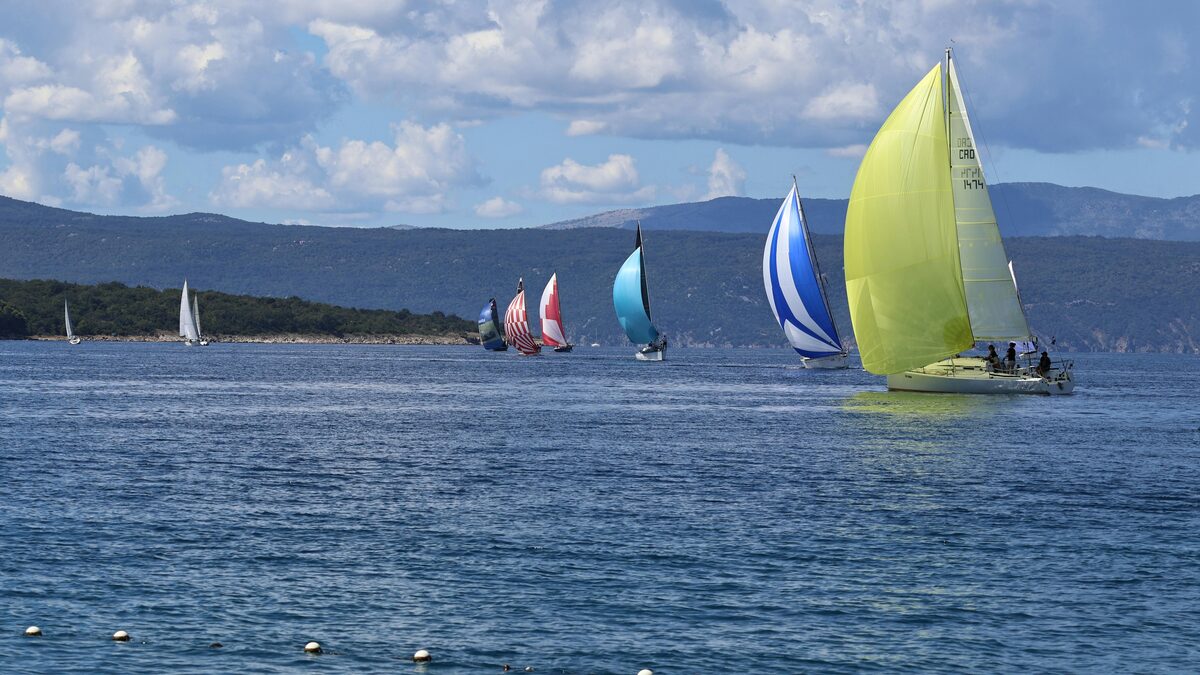

The Gulf of Naples will host the 38th America's Cup in July 2027, making it one of the most significant sailing venues of the decade. Mount Vesuvius, the only active volcano on mainland Europe, rises directly behind the racecourse, creating a backdrop that is both dramatic and faintly ominous. The Amalfi Coast, Capri, and the islands of Ischia and Procida frame the gulf to the south and west.
The gulf's sailing conditions are shaped by the interplay between thermal breezes and the complex coastline. The Ponente, a westerly thermal, typically fills in the afternoon as the Campanian plain heats under the Italian summer sun. Wind speeds of 12-18 knots are common during racing hours, delivering the consistent breeze that foiling AC75s need to perform. The mountains behind Naples create funnelling effects that can accelerate wind speed in certain areas of the gulf, particularly in the passage between the mainland and Capri.
The island of Capri, sitting at the southern entrance to the gulf, creates wind shadows and acceleration zones that shift with the prevailing direction. When the Ponente is running, Capri accelerates the breeze along its northern face; when a northerly Tramontane pushes down from the Apennines, the island blocks and distorts it. Racing in Naples demands tactical awareness of these geographic influences at every mark rounding.
Water temperature in July reaches 24-26 degrees Celsius in the Tyrrhenian Sea around Naples. The gulf's enclosed shape provides significant protection from open Mediterranean swell, while the thermal wind pattern delivers conditions that should suit the foiling AC75s. Tidal range is minimal, under half a metre, so currents are not a significant racing factor.
Naples has hosted sailing events before, including America's Cup World Series regattas that introduced the city's waters to the international circuit. Those events confirmed the gulf's suitability for high-performance foiling racing and began the relationship between the city's administration and the America's Cup Event Authority. The 38th America's Cup in July 2027 represents a step change in scale and ambition compared to any previous event here.
The Preliminary Regatta at Cagliari in May 2026 uses AC40s for Challenger Selection racing, while the full AC75 racing in Naples in 2027 is the main event. Naples is preparing for an influx of sailing teams, media, sponsors, and fans that will transform the waterfront for the duration of the competition. Hundreds of thousands of spectators are expected to watch racing from the city's long seafront.
The Gulf of Naples offers exceptional spectator access. The Lungomare, Naples' famous seafront promenade stretching from Mergellina to the harbour, provides kilometres of shoreline viewing with Mount Vesuvius and the racing fleet simultaneously in sight. Ferries run from the main port to Capri and Ischia, and spectator boats will operate from the commercial harbour during the America's Cup. The combination of urban waterfront and island backdrop means that no other venue on the America's Cup circuit offers comparable visual grandeur for shore-based spectators.
The city is investing in waterfront infrastructure to accommodate the teams, spectators, and media that the America's Cup brings. For remote viewers, the America's Cup provides comprehensive streaming coverage. Check Italy time before planning your schedule.
The Gulf of Naples is a broad inlet of the Tyrrhenian Sea, approximately 35 kilometres wide and 20 kilometres deep, framed by the volcanic Campi Flegrei to the north, the Sorrento Peninsula to the south, and Vesuvius dominating the eastern skyline. The gulf has been continuously inhabited since antiquity: Pompeii, Herculaneum, Baiae, and Naples itself all grew on its shores. The Roman emperors sailed these waters for pleasure; today, AC75 hydrofoils will race across them at speeds they could not have imagined.
Italy's sailing heritage and Luna Rossa's role as the host challenger team give Naples a special significance beyond the geography. This is Italian sailing's home ground.
The IANA timezone is Europe/Rome (CEST, UTC+2 during summer). A 13:00 CEST start converts to 12:00 BST in London, 07:00 EDT in New York, and 21:00 AEST in Sydney.