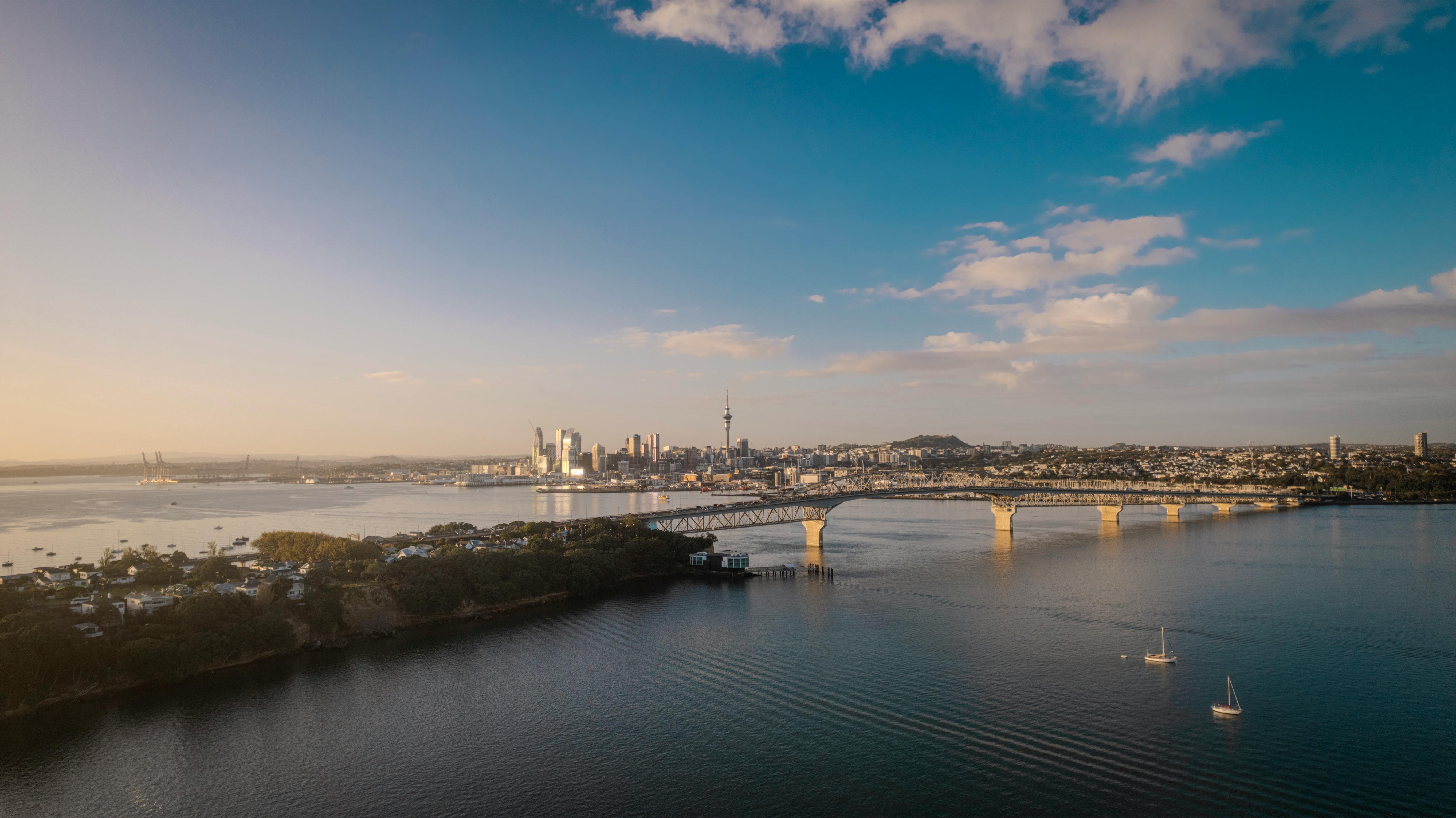
Venue
Gulf of Saint-Tropez
Saint-Tropez, France
No sailing events scheduled at Gulf of Saint-Tropez.
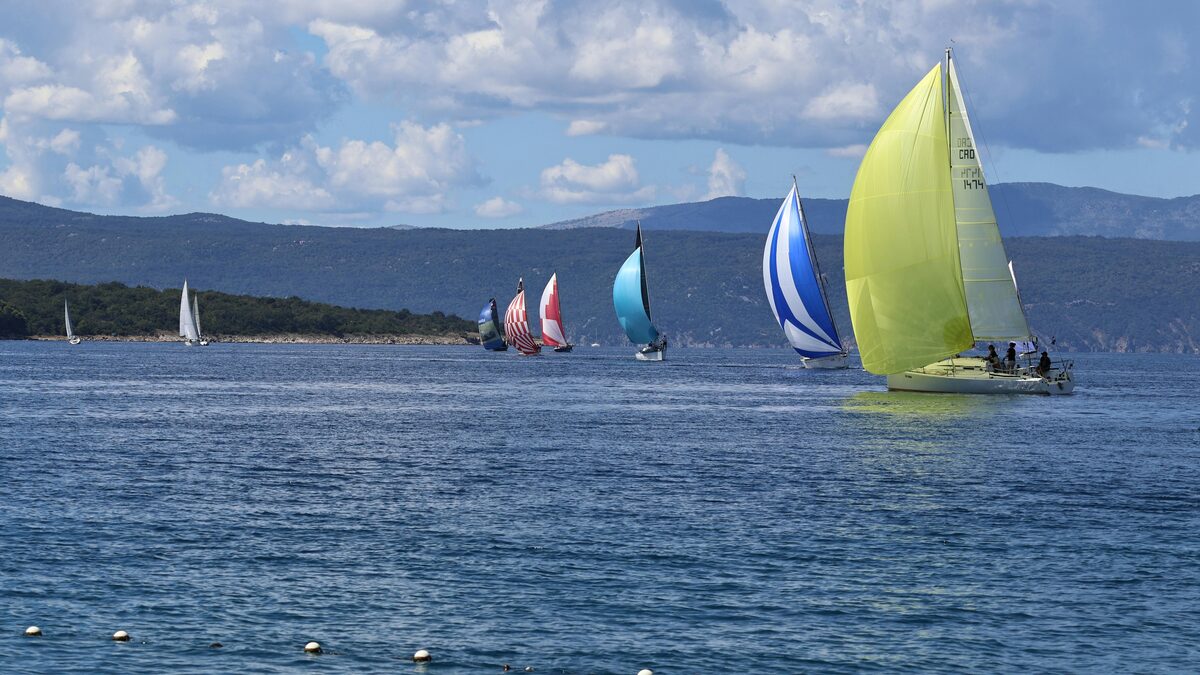

The Gulf of Saint-Tropez is a sailing venue in Provence, France, hosting 3 major events in 2026: the SailGP Grand Prix, the Giraglia offshore race, and Les Voiles de Saint-Tropez classic yacht regatta. Protected by the Massif des Maures to the north and open to the south, the gulf provides sheltered waters for inshore racing while offering exposure to the open Mediterranean for offshore starts.
The thermal sea breeze pattern is the dominant wind feature through summer and early autumn. As the Var hinterland heats through the morning, air is drawn in from the Mediterranean, creating a southerly breeze that typically fills between 11:00 and 12:00 and builds to 12-18 knots through the afternoon. The consistency of this pattern, which repeats on 70-80% of racing days, is what makes Saint-Tropez one of the most reliable Mediterranean venues for race committees.
The Mistral is the constant counterpoint. This powerful northwesterly, funnelling down the Rhone Valley and accelerating through the gap between the Alps and the Massif Central, can arrive with little warning and bring 30-40 knot winds that transform the gulf from a sheltered bay to a serious open-water environment. Race committees must be prepared for both extremes: a gentle thermal morning can become a Mistral afternoon within two hours. When the Mistral blows at Saint-Tropez, the gulf's southern exposure means there is nothing to stop it until the Ligurian coast.
Water temperature ranges from 14 degrees in winter to 24 degrees in late summer. The gulf's water is remarkably clear, with visibility often exceeding 15 metres, creating spectacular aerial photography of racing fleets against the turquoise Mediterranean. Tidal range is negligible, under 30 centimetres, so current is not a tactical factor here.
Saint-Tropez's sailing history is inseparable from its cultural identity. The town was a quiet fishing village until Brigitte Bardot's films put it on the map in the 1950s. The sailing community arrived alongside the glamour, and the Societe Nautique de Saint-Tropez, founded in 1899, organized regattas long before the celebrity era began. The harbour, where classic yachts and superyachts raft alongside fishing boats, is one of the iconic images of Mediterranean sailing.
Les Voiles de Saint-Tropez, held in late September and early October, is the world's largest classic and performance yacht regatta, drawing 300-plus boats from J-Class grand dames to vintage metre-boats racing in their original forms. The Giraglia Rolex Cup is the Mediterranean's premier offshore race, starting from Saint-Tropez and rounding the Giraglia rock off the northern tip of Corsica before finishing in Genoa. Together these events make Saint-Tropez one of the most visited sailing venues in Europe across the annual calendar.
The Saint-Tropez waterfront is one of the most photographed harbours in the world, and during racing events it becomes a continuous spectator parade. The old port wall, the Quai Jean Jaures, and the Citadelle overlooking the bay all provide elevated viewing. Spectator boats fill the gulf during Les Voiles and the SailGP event, and the town's waterfront restaurants allow fans to watch racing over lunch from a terrace with direct sightlines to the course. The atmosphere combines serious sailing competition with the Provencal social scene, creating a unique event culture.
For international viewers, SailGP and the offshore events provide live tracking and broadcast coverage. Check France time before scheduling your viewing.
The Gulf of Saint-Tropez is a sheltered inlet on the French Riviera in the Var department of Provence-Alpes-Cote d'Azur. The gulf is approximately 5 kilometres wide and 8 kilometres deep, with the town of Saint-Tropez on its eastern shore and the Presqu'ile de Saint-Tropez forming the eastern boundary. The deep water close to shore means the racing course can be positioned within easy sight of the town without depth constraints.
The Societe Nautique de Saint-Tropez coordinates race management for all major events from its clubhouse on the old port. The club's 125-year history makes it one of the oldest continuously operating yacht clubs in the region.
The IANA timezone is Europe/Paris (CEST, UTC+2 during summer, CET UTC+1 in winter). A 14:00 CEST start in Saint-Tropez converts to 13:00 BST in London, 08:00 EDT in New York, and 22:00 AEST in Sydney.