Venue
Arun Jaitley Stadium
Delhi, India
Past results (8)
- Delhi Capitals vs Gujarat TitansBilateral seriesData may be out of date
- Delhi Capitals vs Sunrisers HyderabadBilateral seriesData may be out of date
- Delhi Capitals vs Punjab KingsBilateral seriesData may be out of date
- Delhi Capitals vs Rajasthan RoyalsBilateral seriesData may be out of date
- Delhi Capitals vs Lucknow Super GiantsBilateral seriesData may be out of date
- Delhi Capitals vs Sunrisers HyderabadBilateral seriesData may be out of date
- Delhi Capitals vs Chennai Super KingsBilateral seriesData may be out of date
- Delhi Capitals vs Mumbai IndiansBilateral seriesData may be out of date
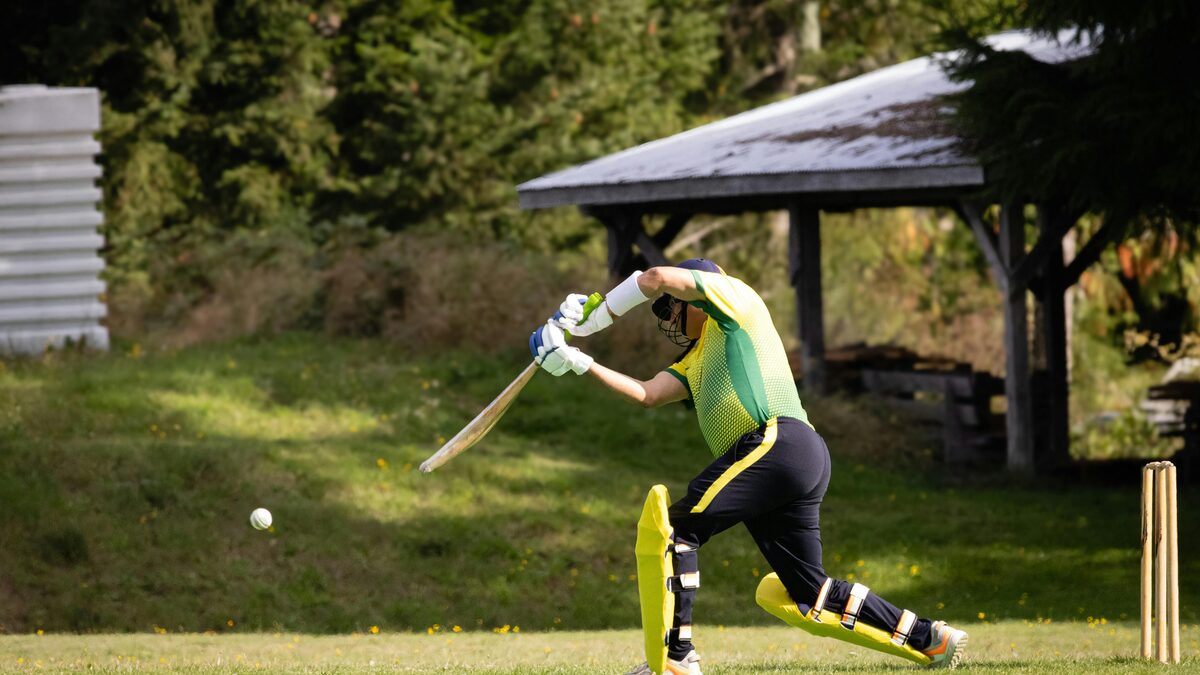

Arun Jaitley Stadium in Delhi, India (41,820 capacity) has hosted international cricket since 1948 and is the home of Delhi Capitals in the IPL. The ground was built within the walls of the Feroz Shah Kotla, a 14th-century citadel constructed by Sultan Feroz Shah Tughlaq in 1354, making it the second-oldest international cricket venue in India. The ancient stone ruins still stand beyond the boundary at one end, and there is no other cricket ground on earth where a fast bowler runs in with a medieval watchtower visible over the sightscreen.
The ground, known as Kotla to every Indian cricket fan, holds 41,820 spectators and has been the site of some remarkable cricket. Anil Kumble's 10 wickets for 74 runs against Pakistan in February 1999 remains the single greatest bowling performance in Indian Test history and one of only three such performances in Test cricket history (Jim Laker 1956, Kumble 1999, and Ajaz Patel 2021). The crowd that day stood through every delivery of Kumble's final spell, and when the tenth wicket fell, the noise from the old ground could be heard across the Yamuna River.
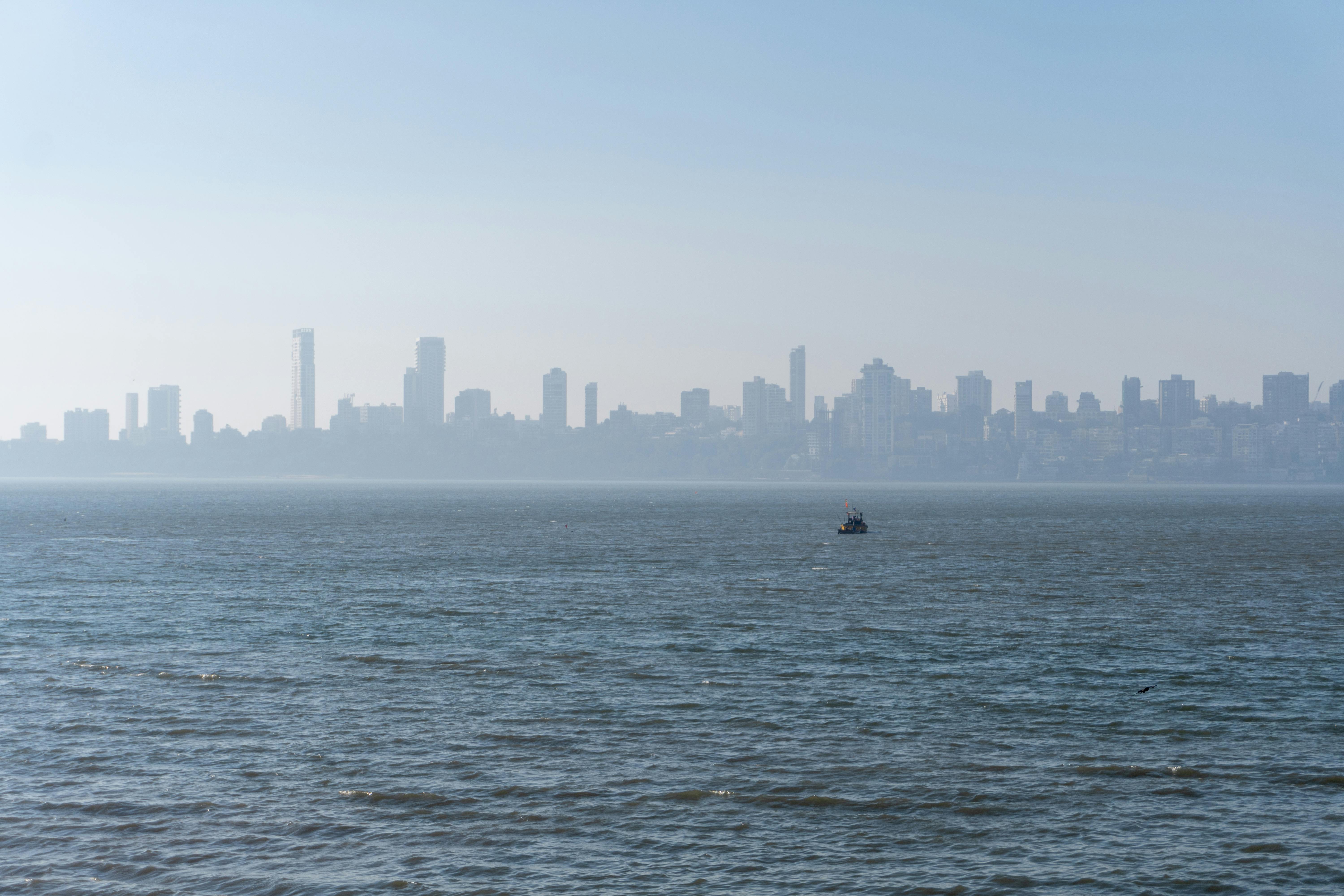
Delhi's climate makes Kotla a challenging venue. Summers bring temperatures above 45 degrees, and the air quality in November and December is among the worst in any international city. Winter Tests can see the ground wrapped in smog so thick that the floodlights are needed at noon. The pitch tends to be slow and low, rewarding spinners who can extract turn and bowlers who can cut the ball off the surface. Fast bowlers rarely dominate here, and batsmen who try to drive on the up find the ball dying before it reaches them.
The pitch at Kotla has changed in character over the decades. The surface that once assisted Kumble's off-spin with sharp turn has been modified in recent years to produce flatter, slower tracks more suited to T20 scoring. The short square boundaries, among the shortest at any major Indian venue, have made Kotla a high-scoring ground in white-ball cricket. Batsmen who can hit square can exploit the boundaries; teams that rely on straight hitting find the long straight dimensions less forgiving.
Kotla's domestic legacy is woven into the fabric of Delhi cricket. The ground is the fortress of Delhi Capitals in the IPL, and the franchise has used its home conditions astutely, selecting spin-heavy bowling attacks when the pitch offers turn and banking on the short boundaries to power totals past 180. The Delhi crowd, knowledgeable and fiercely opinionated, holds Delhi Capitals to the same demanding standard it applies to India's international team.
In 2026, the Arun Jaitley Stadium hosted T20 World Cup group stage matches in February, with India's home crowd turning the ground into a wall of noise for every fixture. The stadium also serves as the home ground for Delhi Capitals in the IPL 2026, where the franchise plays its evening matches under lights that illuminate the Kotla's ancient walls in a collision of centuries that never gets old.
Delhi operates on India Standard Time (IST, UTC+5:30). An IPL evening match at 19:30 IST is 15:00 BST in London, 10:00 AM EDT in New York, and 00:00 midnight AEST in Sydney. Fans across Europe catch the action in the late afternoon, while viewers in Australia face a midnight start. Check whatisthetime.now/delhi for current local time or whatisthetime.now/country/india for Indian timezone information.