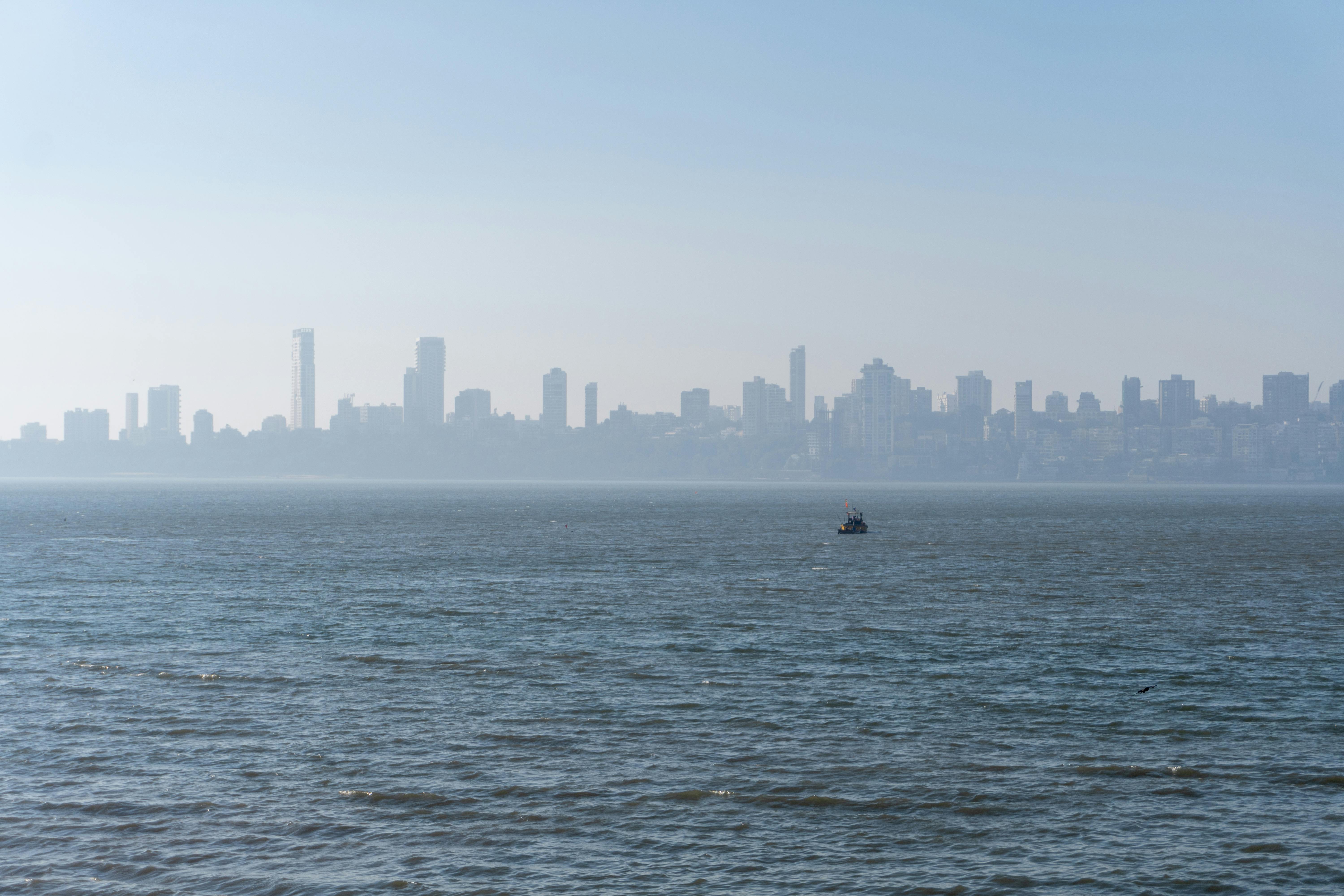
Venue
Pallekele International Cricket Stadium
Kandy, Sri Lanka
No cricket events scheduled at Pallekele International Cricket Stadium.
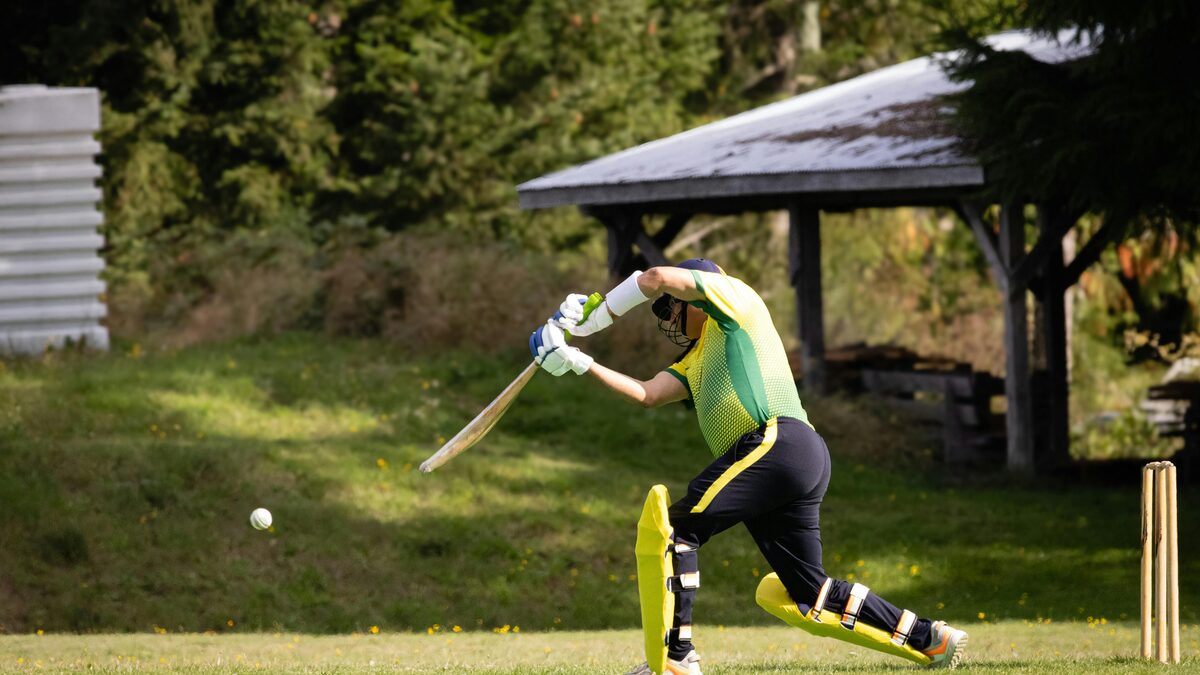

Pallekele International Cricket Stadium in Kandy, Sri Lanka (35,000 capacity) opened in 2009 in the hill country above the city, surrounded by tea plantations. At roughly 500 metres above sea level, the air is cooler and less humid than coastal Colombo, producing swing-friendly conditions that pace bowlers find far more welcoming than the slow, spinning surfaces at sea level. Cricket in the hill country feels different: the ball swings more, carries better to the wicketkeeper, and the misty green backdrop above the stands is unlike any other ground in the sport.
The ground was built specifically for the 2011 Cricket World Cup, making it one of Sri Lanka's newer international venues, and its capacity of 35,000 fills comfortably whenever a major match is scheduled. The design is modern and functional, with good sightlines from every stand and an outfield that drains well despite the regular rain that falls in the central highlands. The backdrop of misty hills gives Pallekele a visual quality that few cricket grounds anywhere in the world can match.
Kandy's weather is the defining feature of cricket at Pallekele. The central highlands receive significantly more rainfall than coastal Sri Lanka, and afternoon showers during the monsoon season can interrupt play. The morning sessions are typically the best time for cricket, with clear skies and comfortable temperatures in the mid-20s. As the day progresses, cloud builds over the hills, and by late afternoon the chances of rain increase substantially. Dew is less of a factor than at the Premadasa in Colombo, but the extra moisture in the hill-country air means the ball stays harder longer and swings later into the innings.
The pitch at Pallekele offers more for pace bowlers than most Sri Lankan surfaces. The extra bounce and pace off the surface make it a ground where visiting fast bowlers, who often struggle on the slow, turning tracks at other Sri Lankan venues, find conditions to their liking. Spinners still play a role, particularly as the match progresses, but Pallekele is not the spin graveyard that Galle or Colombo can be.
Pallekele's most memorable international moment came in 2021, when South Africa visited Sri Lanka for a white-ball series that exposed the surface's dual nature. On the first morning, the Proteas' pace attack found the ball swinging through cool hill-country air and reduced Sri Lanka to a precarious position. By the second innings of the corresponding match, with the pitch dry and offering turn, Sri Lanka's spinners controlled the game entirely. The shift in conditions within a single series illustrated exactly why Pallekele is a more complex venue than it first appears.
The ground hosts the Kandy-based domestic franchise teams in Sri Lanka Cricket's Tier A competition, and the hill-country crowd brings a different energy from Colombo. Kandy is a Buddhist pilgrimage city, home to the Temple of the Tooth Relic, and the crowd that fills Pallekele reflects the region's cultural depth. International players who have played both Colombo and Kandy note that the atmosphere at Pallekele is quieter but more intense, with the natural amphitheatre created by the surrounding hills focusing the crowd noise toward the ground.
In 2026, the Pallekele International Cricket Stadium served as a co-host venue for the ICC Men's T20 World Cup, hosting group stage matches that brought international cricket back to the hill country. The ground also hosts Sri Lanka's home bilateral series and domestic fixtures.
Kandy operates on Sri Lanka Standard Time (SLST, UTC+5:30). A T20 World Cup match at 14:00 SLST is 09:30 BST in London, 04:30 AM EDT in New York, and 18:30 AEST in Sydney. Evening matches at 19:30 SLST land at 15:00 BST, making them convenient for European viewers. Check whatisthetime.now/kandy for current local time or whatisthetime.now/country/sri-lanka for Sri Lankan timezone information.