Venue
R. Premadasa Stadium
Colombo, Sri Lanka
No cricket events scheduled at R. Premadasa Stadium.
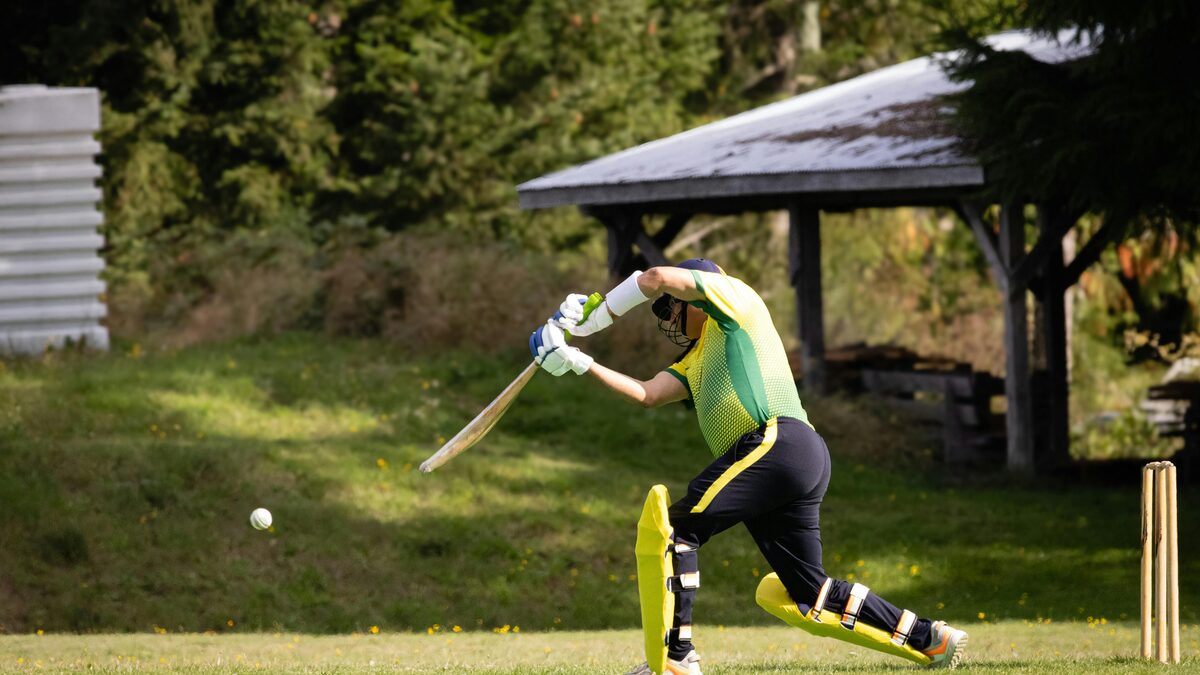

R. Premadasa Stadium in Colombo, Sri Lanka (35,000 capacity) is the country's premier cricket venue and the emotional centre of Sri Lankan cricket. Sri Lanka won the 1996 Cricket World Cup, defeating Australia by 7 wickets in the final — played at Gaddafi Stadium in Lahore, Pakistan, not at the Premadasa. The tournament itself had been controversial, with Australia and West Indies refusing to play in Sri Lanka due to security concerns, but Arjuna Ranatunga's squad used the disrespect as fuel and produced one of the great underdog stories in cricket history. The Premadasa Stadium, then known as the Khettarama Stadium, was a key host venue during that campaign, and the ground has been the emotional center of Sri Lankan cricket ever since.
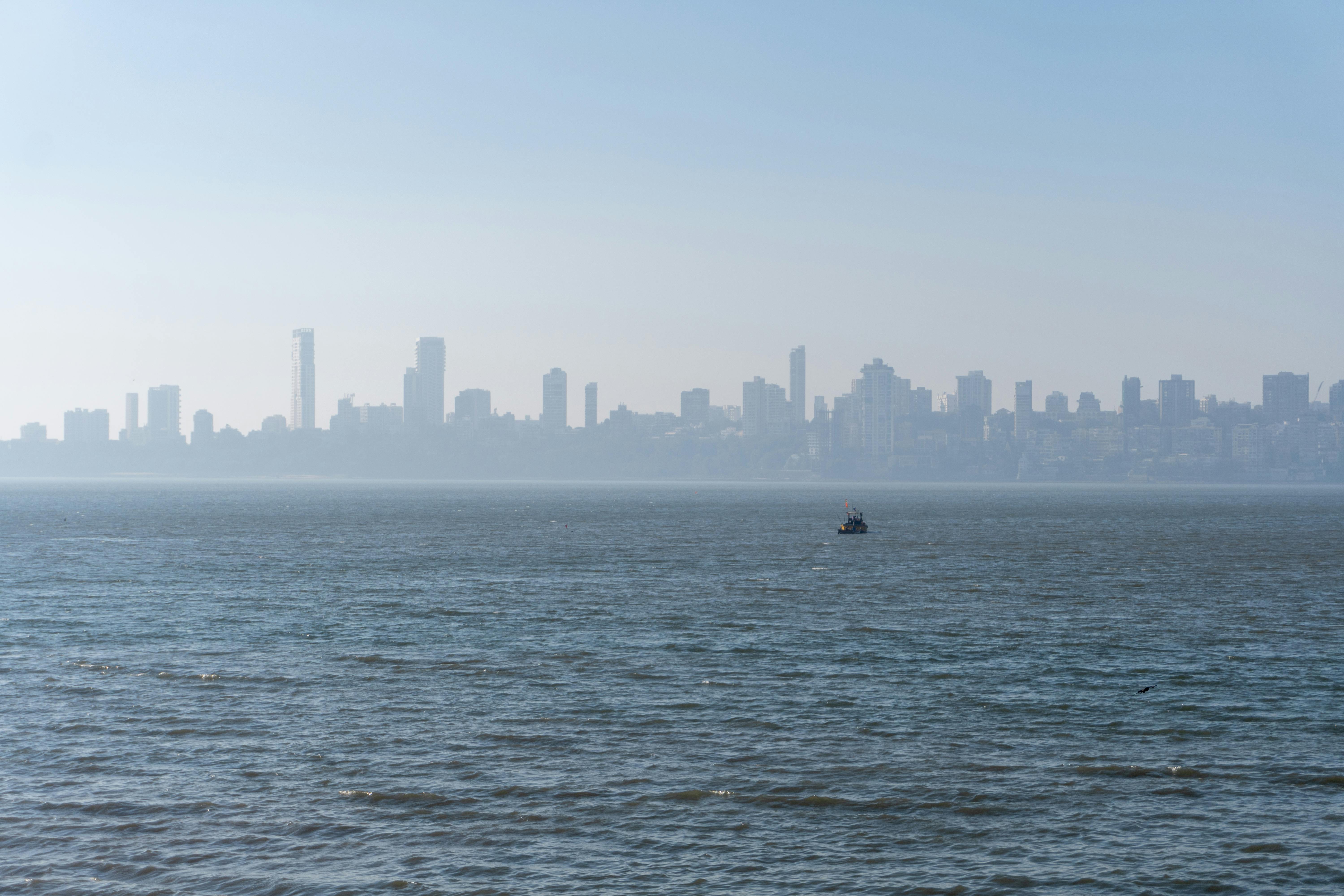
The stadium holds 35,000 spectators and sits in the Maligawatta area of Colombo, surrounded by the city's dense urban fabric. The ground was renamed in honor of President Ranasinghe Premadasa, who was instrumental in developing Sri Lanka's cricket infrastructure, and its importance to the nation's sporting identity cannot be overstated. When Sri Lanka play at home, the Premadasa fills with a crowd whose passion for cricket rivals anything in India or Pakistan.
The playing conditions at the Premadasa are shaped by Colombo's tropical climate. Temperatures hover around 30 degrees year-round, humidity is consistently high, and afternoon thunderstorms during the monsoon season can interrupt play. The pitch tends to be slow and low, rewarding spinners who can extract turn from the dry, crumbling surface. Muttiah Muralitharan, the greatest wicket-taker in Test and ODI history, made the Premadasa his personal hunting ground, taking hundreds of wickets on surfaces that seemed to be specifically designed for his doosra and off-break.
The dew factor at the Premadasa is significant in evening matches. The moisture that settles on the outfield and the ball after sunset makes bowling second in T20s and ODIs a considerable disadvantage, and captains who win the toss in day-night matches almost always choose to bowl first.
The ground has hosted some of Sri Lanka's most significant bilateral series victories. In 2014, Sri Lanka's 5-0 T20I sweep of Pakistan at the Premadasa, played across a week of evening matches that drew capacity crowds, was powered by Lasith Malinga's death bowling and the home team's superior reading of the dew-affected surface. Malinga, a Premadasa legend who played many of his most important matches here, used the ground's bounce and his unique sling action to take wickets that other bowlers could not get in the same conditions.
The stadium's renovation work completed in 2015 added new stands and improved the playing surface drainage, extending the ground's life as a premier venue. Sri Lanka Cricket has invested heavily in the Premadasa as the showpiece of the country's cricketing infrastructure, and the T20 World Cup co-hosting role in 2026 reflects the confidence international administrators have in its facilities.
In 2026, the R. Premadasa Stadium served as a co-host venue for the ICC Men's T20 World Cup, with group stage and Super Eight matches played in Colombo alongside the Indian venues. The stadium also hosts Sri Lanka's home international fixtures and domestic cricket throughout the year.
Colombo operates on Sri Lanka Standard Time (SLST, UTC+5:30), the same offset as India Standard Time. A T20 World Cup match at 19:30 SLST is 15:00 BST in London, 10:00 AM EDT in New York, and 00:00 midnight AEST in Sydney. Check whatisthetime.now/colombo for current local time or whatisthetime.now/country/sri-lanka for Sri Lankan timezone information.