Euro 2028
Past results (51)
- Spain vs England
- Netherlands vs England
- Spain vs France
- England vs Switzerland
- Netherlands vs Turkey
- Spain vs Germany
- Portugal vs France
- Romania vs Netherlands
- Austria vs Turkey
- France vs Belgium
- Portugal vs Slovenia
- England vs Slovakia
- Spain vs Georgia
- Switzerland vs Italy
- Germany vs Denmark
- Ukraine vs Belgium
- Slovakia vs Romania
- Czechia vs Turkey
- Georgia vs Portugal
- France vs Poland
- Netherlands vs Austria
- Denmark vs Serbia
- England vs Slovenia
- Albania vs Spain
- Croatia vs Italy
- Scotland vs Hungary
- Switzerland vs Germany
- Georgia vs Czechia
- Turkey vs Portugal
- Belgium vs Romania
- Slovakia vs Ukraine
- Poland vs Austria
- Netherlands vs France
- Slovenia vs Serbia
- Denmark vs England
- Spain vs Italy
- Croatia vs Albania
- Germany vs Hungary
- Scotland vs Switzerland
- Turkey vs Georgia
- Portugal vs Czechia
- Romania vs Ukraine
- Belgium vs Slovakia
- Austria vs France
- Poland vs Netherlands
- Slovenia vs Denmark
- Serbia vs England
- Hungary vs Switzerland
- Spain vs Croatia
- Italy vs Albania
- Germany vs Scotland


The UEFA European Championship is the main international football tournament for European nations, contested every four years by 24 national teams across 51 matches. Founded in 1960 as the European Nations' Cup with four participating teams, it has grown into the second-largest football tournament in the world by audience after the FIFA World Cup.
The tournament format begins with a group stage of six groups of four, where every nation plays three matches. The top two from each group advance automatically to the round of 16, along with the four best third-placed teams across all groups. From the round of 16 onward, the competition is single-game knockout, with extra time and penalties deciding drawn matches. The final is held at a venue decided several years in advance by UEFA's governing body.
Spain won Euro 2024, held across ten German cities in June and July, defeating England 2-1 in the final in Berlin on July 14, 2024. Mikel Oyarzabal scored the winning goal in the 86th minute, completing a tournament in which Spain became the first nation to win four European Championship titles. The victory was delivered by a squad built around technical midfielders: Rodri, Pedri, Fabian Ruiz, and Dani Olmo carried the ball-playing identity that defined manager Luis de la Fuente's approach. England reached their second consecutive European Championship final, losing both to Italy on penalties in 2021 and to Spain by a single goal in 2024. The 1996 tournament at Wembley, when England hosted and lost to Germany in the semi-finals on Stuart Pearce's redemptive penalty and then Gareth Southgate's miss, remains the unresolved wound in English football memory. Southgate managed England to those two finals before stepping down.
The history of the tournament is punctuated by upsets that restructure assumptions about European football. Greece, ranked 150th in the world at the start of Euro 2004, won the tournament in Portugal without playing expansive football and without a recognised star. Denmark, who only qualified for Euro 1992 when Yugoslavia were expelled, won that tournament in Sweden. The format's group stage structure means even the second-place finishers in difficult groups often survive, which rewards tournament management over individual match brilliance.
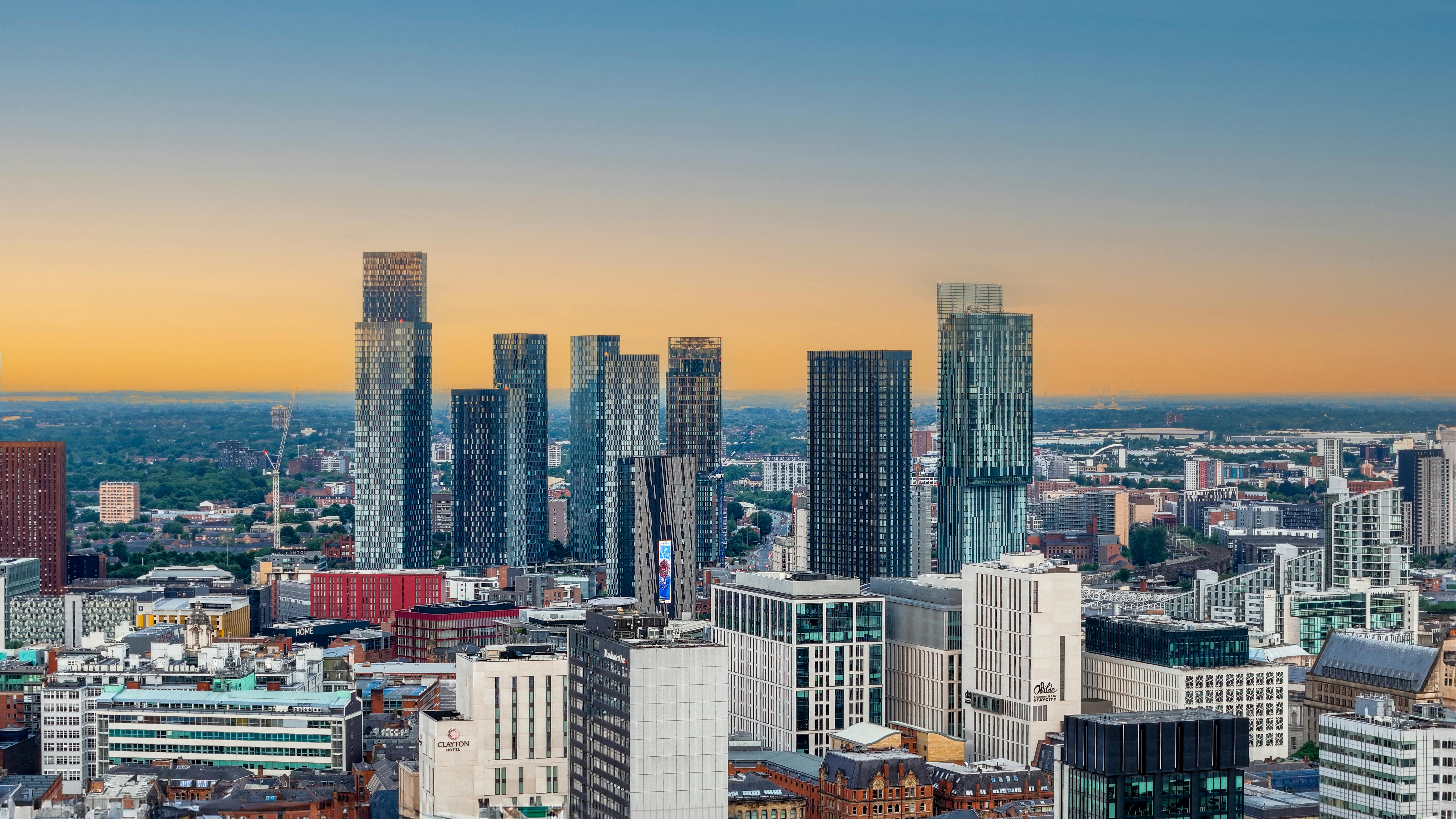
Euro 2028 will be hosted across the United Kingdom and Ireland, with matches in London, Manchester, Glasgow, Cardiff, Belfast, and Dublin. It will be the first European Championship held in the British Isles since Euro 1996 at Wembley. The host advantage for England, Scotland, Wales, Northern Ireland, and the Republic of Ireland creates an unusual structural benefit: five of the 24 qualifying spots are allocated to host nations, meaning all five British and Irish sides will participate regardless of qualifying performance.
For international fans, European Championship matches in Germany in 2024 kicked off at 15:00, 18:00, or 21:00 CEST (UTC+2). The 21:00 CEST final was 20:00 BST in London, 04:00 JST in Tokyo, and 15:00 ET in New York. Euro 2028 matches across UK venues will use BST (UTC+1) for summer fixtures.
Check London time and Berlin time for European Championship kickoff conversions during tournament months.
Teams


FAQ
- How many matches are in the Euro 2028 this season?
- The Euro 2028 has 51 matches scheduled this season.
- How many teams compete in the Euro 2028?
- 24 teams compete in the Euro 2028.
- When does the Euro 2028 season run?
- The Euro 2028 runs from 2024-06-14 to 2024-07-14.