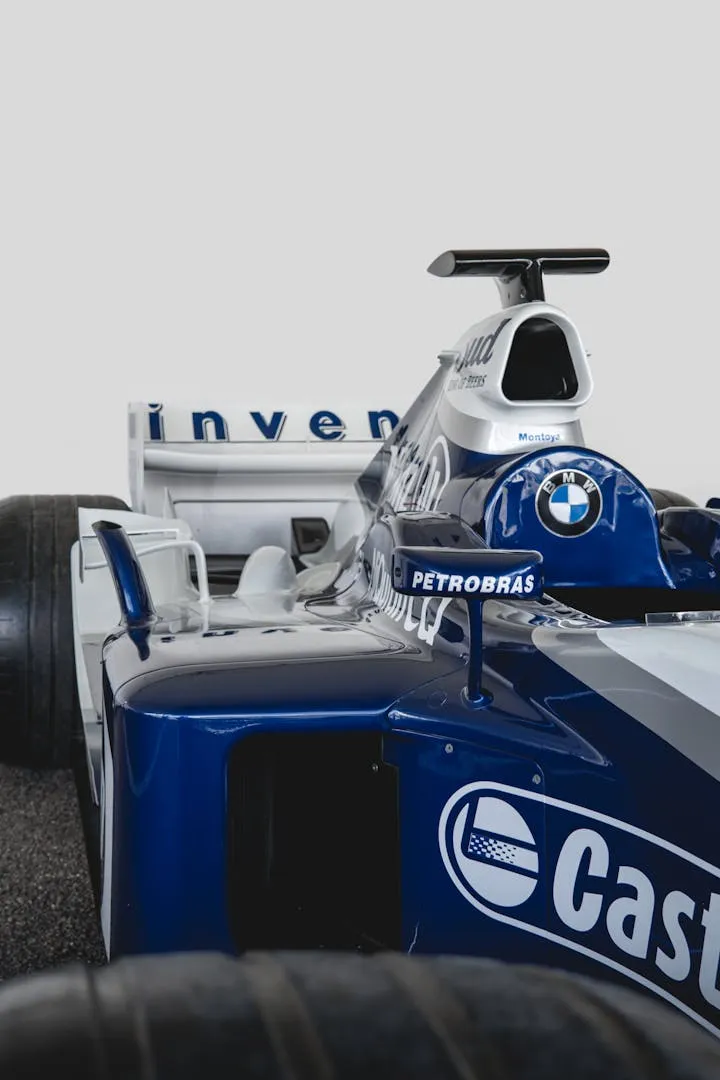
Formula 1 2026
Japanese Grand Prix
Round 3 of 22
2026-03-29 14:00 Asia/Tokyo
05:00 UTC
Need this in another timezone? Check the time in Suzuka
Status
Completed
Venue
Suzuka, Japan
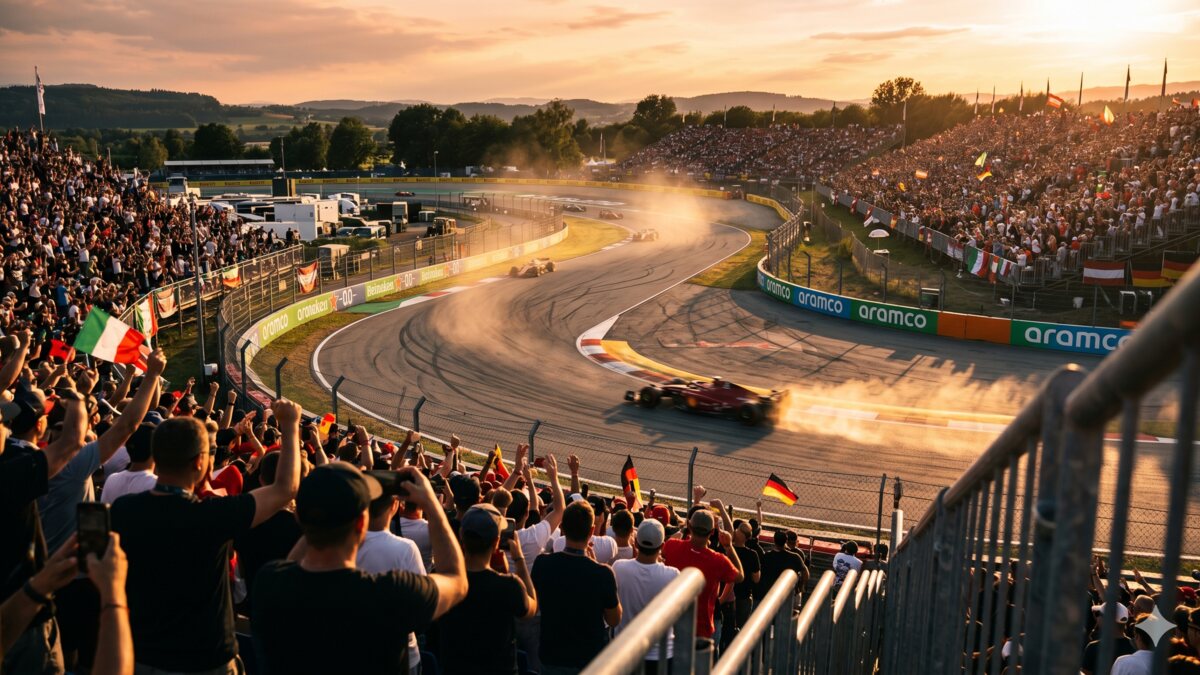
The 2026 Japanese Grand Prix at the Suzuka Circuit took place on Sunday 29 March, lights out at 14:00 JST (UTC+9). The 5.807 km lap ran 53 times for a race distance of 307.77 km.
It was not a sprint weekend. Practice, qualifying, and the race ran across the standard three-day format.
The Suzuka Circuit, built in 1962 by Honda as a test track, has a figure-eight layout where the track crosses over itself via an overpass, making it unique in motorsport. The opening sequence through Turn 1, the Esses, Dunlop, and Degner is as demanding as anything on the calendar. The 130R corner, a flat-out left-hander taken at over 300 km/h, remains one of the purest tests of aerodynamic confidence in Formula 1.
Suzuka has decided World Championships more dramatically than almost any other venue. Ayrton Senna and Alain Prost collided here in both 1989 and 1990, with the title on the line each time. Michael Schumacher clinched his first Ferrari championship at Suzuka in 2000. Sebastian Vettel clinched his 2011 World Championship here, one of several titles decided at this circuit. Max Verstappen wrapped up his 2022 championship at this circuit, continuing its tradition as the place where greatness is confirmed.
When did the Japanese Grand Prix start? Lights out at 14:00 JST on March 29 translated to 05:00 GMT and 06:00 CET, requiring an early alarm but rewarding the dedication. North American fans faced a late Saturday night, with the start at 01:00 Eastern and 22:00 Saturday Pacific. Australian viewers had a comfortable 16:00 AEDT slot. Japanese fans watched at the local 14:00 JST. Other Asian audiences tuned in at 13:00 CST and 13:00 SGT. Check Japan time for the exact start in your location.
Three races into the 2026 season, Suzuka was the first true examination of who had built a car that worked everywhere. The Suzuka chicane, the tight corner complex before the start/finish straight, has settled championships and broken hearts. Under the 2026 regulations, with active aero and new ground-effect philosophies, the sensation through 130R and the high-speed Esses was one of the first things drivers discussed all weekend.

FAQ
- What time does Japanese Grand Prix start?
- Japanese Grand Prix starts at 14:00 Asia/Tokyo on 2026-03-29. Use the timezone table above to convert to your local time.
- Where is Japanese Grand Prix being played?
- Japanese Grand Prix takes place at Suzuka, Suzuka, Japan.