Formula 1 2026
Mexico City Grand Prix
Round 19 of 22
2026-11-01 14:00 America/Mexico_City
20:00 UTC
Need this in another timezone? Check the time in Mexico City
Status
Scheduled
Venue
Mexico City, Mexico
The 2026 Mexico City Grand Prix at the Autodromo Hermanos Rodriguez starts at 15:00 CST (UTC-6) on Sunday 1 November. The circuit sits at 2,240 metres above sea level, the highest altitude on the F1 calendar, running 71 laps for a race distance of 305.35 km.
This is not a sprint weekend. Practice, qualifying, and the race run across the standard three-day format.
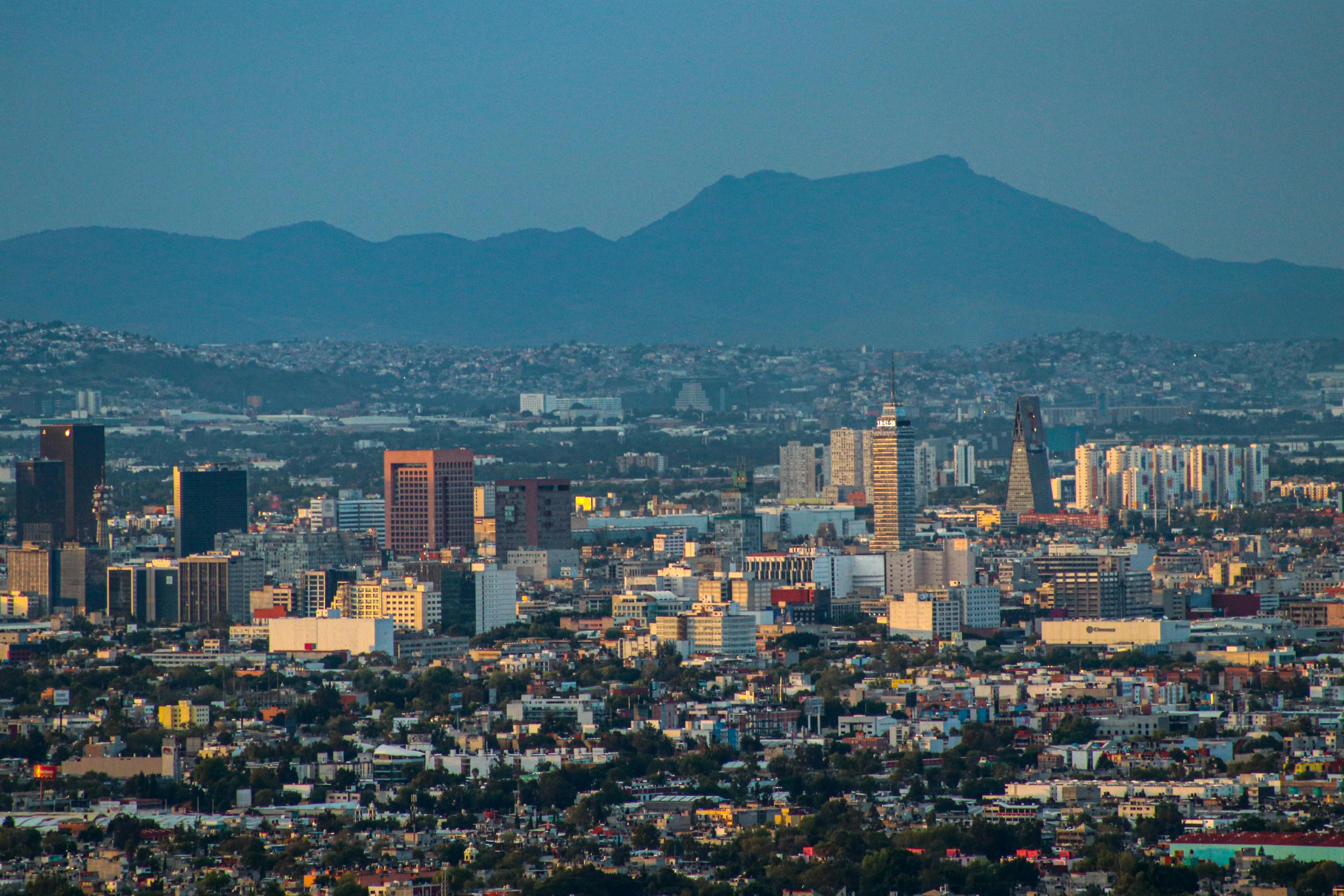
The Autodromo Hermanos Rodriguez is named after Ricardo and Pedro Rodriguez, two Mexican racing brothers who died pursuing their craft in the 1960s and 1970s. The circuit sits inside the Magdalena Mixhuca park at 2,240 meters above sea level, and that altitude changes everything. The thin air reduces aerodynamic downforce by roughly 20%, forces teams to run maximum wing angles, and starves the power units of oxygen. The final section runs through a baseball stadium, with grandstands rising on both sides as cars thread through the Foro Sol.
Mexico City returned to the F1 calendar in 2015 after a 22-year absence, and the reception has been extraordinary. Nico Rosberg won the first modern edition. Max Verstappen has dominated here in the high-altitude conditions, winning multiple editions for Red Bull. In 2019, Lewis Hamilton clinched his sixth World Championship at the following race in Austin. Sergio Perez, Mexico's most successful F1 driver, has become a national hero, and his podium finishes here have produced some of the most passionate crowd reactions in the sport.
For fans across the Americas, this is a prime-time Sunday afternoon race at 16:00 Eastern and 13:00 Pacific. European viewers face a late evening start at 22:00 CET and 21:00 GMT. Australian fans watch at 06:00 Monday AEST. Asian audiences face overnight timing at 04:00 Monday JST and 05:00 Monday CST. Check Mexico time for the exact start in your location.
The altitude makes Mexico City one of the most unpredictable races of the season. Tire degradation behaves differently in thin air, braking distances extend significantly, and the reduced drag produces some of the highest top speeds of the year despite relatively short straights. Under the 2026 regulations, the interplay between active aero and altitude-reduced downforce should produce fascinating strategic dilemmas. Sergio Perez in the Cadillac gives Spanish-speaking audiences across two continents plenty of reason to tune in.

FAQ
- What time does Mexico City Grand Prix start?
- Mexico City Grand Prix starts at 14:00 America/Mexico_City on 2026-11-01. Use the timezone table above to convert to your local time.
- Where is Mexico City Grand Prix being played?
- Mexico City Grand Prix takes place at Mexico City, Mexico City, Mexico.