Formula 1 2026
Spanish Grand Prix
Round 14 of 22
2026-09-13 15:00 Europe/Madrid
13:00 UTC
Need this in another timezone? Check the time in Madrid
Status
Completed
Venue
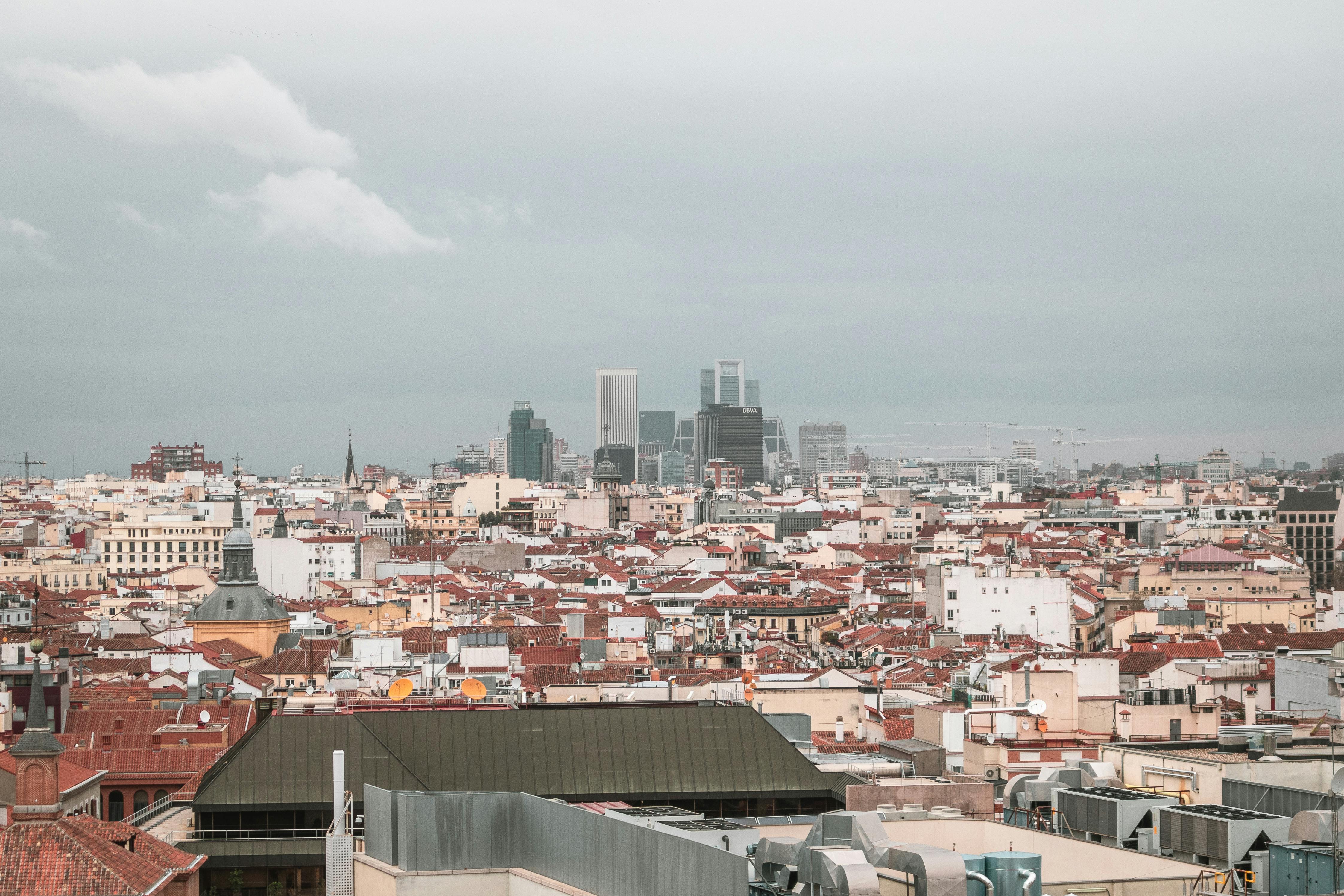
Madring, Madrid, Spain
The 2026 Spanish Grand Prix at the new Madring circuit in Madrid starts at 14:00 CEST (UTC+2) on Sunday 13 September. It is the first Formula 1 race held in the Spanish capital.
This is not a sprint weekend. Practice, qualifying, and the race run across the standard three-day format.
Spain has run two Grands Prix in the same season before: the country held both the Spanish GP and the European GP in 1986, 1994, and 1997. The difference in 2026 is that neither race is a secondary billing. The Circuit de Barcelona-Catalunya retains the Catalan Grand Prix, and the Spanish Grand Prix migrates to Madrid entirely, giving Spain's two great cities equal standing on the F1 calendar for the first time. That framing matters, because the relationship between Madrid and Barcelona is not simply geographic. It is political, cultural, and expressed most visibly through the fixture between Real Madrid and FC Barcelona. Bringing a separate Grand Prix to Madrid is an acknowledgment that the capital's identity in global sport has always been distinct from Catalonia's, and that F1 was overdue to recognise it.
Madrid's relationship with motorsport goes further back than many remember. The Circuito del Jarama, 28 kilometres north of the city, hosted the Spanish Grand Prix nine times between 1968 and 1981. Gilles Villeneuve won there in 1981, one of the most celebrated victories of his career, outrunning four faster cars on a circuit too narrow to pass on by sheer nerve and car placement for 80 laps. Jarama was removed from the calendar because it could not expand to meet modern circuit requirements. The Madring is, in one sense, the venue Madrid has been waiting four decades to build.
For Fernando Alonso, racing at 45 for Aston Martin, a Grand Prix in Madrid rather than Barcelona changes the conversation. Barcelona has been his home race by geography. Madrid is a different audience, a different emotional register, and a different expectation. Carlos Sainz at Williams will carry his own weight in a city where his father won two World Rally Championships and is still talked about in bars near the Bernabeu. Spain does not lack for motorsport heroes; it has lacked a capital-city stage.
Every lap on the Madring in 2026 is genuinely new data. No driver has raced here. Simulation data from the same track surface will be identical for every team. The team that reads the first practice sessions most accurately and commits fastest to a setup philosophy will carry the advantage into qualifying on Friday afternoon.
When is the Spanish Grand Prix? Lights out at 14:00 CEST on Sunday September 13 is 12:00 GMT and 13:00 BST, which puts the race at peak Sunday afternoon for Britain and central Europe. North American viewers get a morning slot at 08:00 Eastern and 05:00 Pacific. Australian and Asian fans watch in the evening at 22:00 AEST and 20:00 JST. Check Spain time for the exact start in your location.

FAQ
- What time does Spanish Grand Prix start?
- Spanish Grand Prix starts at 15:00 Europe/Madrid on 2026-09-13. Use the timezone table above to convert to your local time.
- Where is Spanish Grand Prix being played?
- Spanish Grand Prix takes place at Madring, Madrid, Spain.