Venue
Guanabara Bay
Rio de Janeiro, Brazil
No sailing events scheduled at Guanabara Bay.
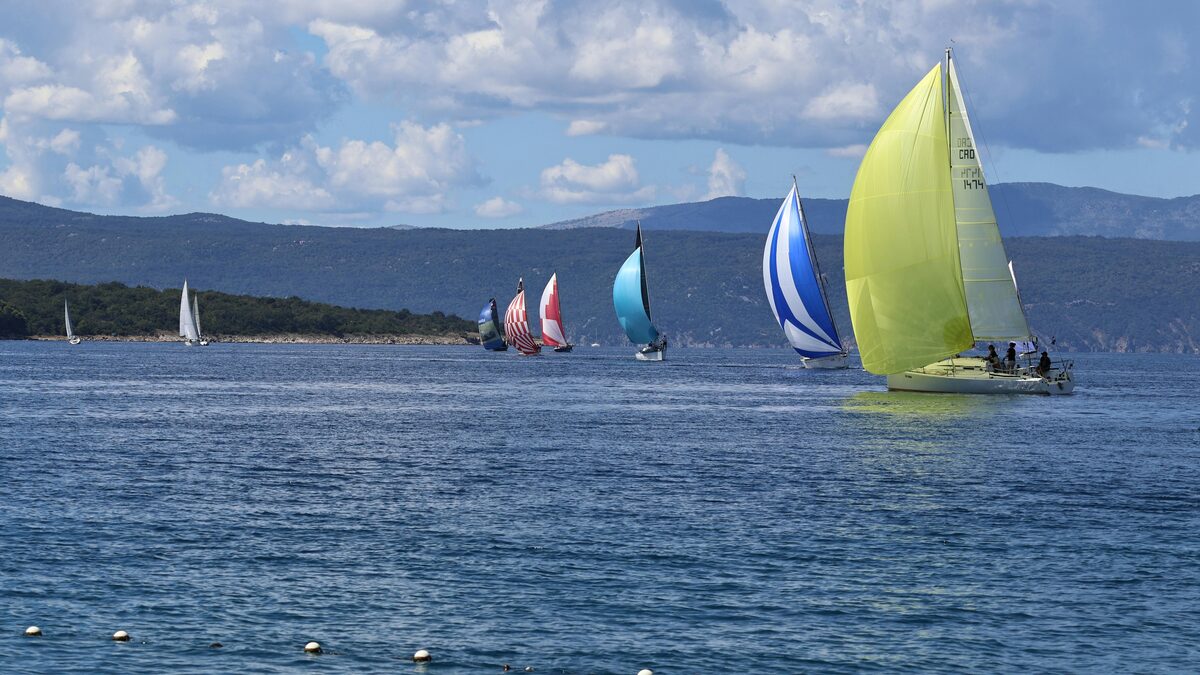

Guanabara Bay is the sailing venue for the SailGP South American Grand Prix, located in Rio de Janeiro, Brazil, and a venue that hosted Olympic sailing at the 2016 Rio Games across 10 medal events. Sugarloaf Mountain guards the narrow entrance, Christ the Redeemer watches from Corcovado, and the bay's enclosed waters provide one of the most visually iconic racecourses in sport.
The bay's wind patterns are driven by thermal effects: as the Rio hinterland heats through the morning, a sea breeze draws in from the south, building to 10-15 knots by early afternoon. The narrow entrance between Sugarloaf and the Niteroi headland can accelerate the incoming breeze significantly, creating zones of stronger wind near the harbour mouth. The surrounding mountains, Sugarloaf at 396 metres and Corcovado at 710 metres, create complex wind shadows and acceleration zones that make Guanabara Bay one of the most tactically demanding enclosed venues on the international circuit.
Water temperature in April is 24-26 degrees, and the bay's sheltered waters are generally calm with minimal swell. Current patterns within the bay are driven by tidal exchange through the narrow entrance, and the tidal flow can reach 1-2 knots at the harbour mouth, diminishing in the wider inner bay. The bay's enclosed shape and shallow southern reaches create localized heating effects that produce afternoon thermal lift on the racecourse, a variable that experienced local sailors read instinctively.
The 2016 Olympic Games brought Guanabara Bay to global sailing attention, but the water quality controversy that preceded the Olympics became the defining narrative. Bay water quality has improved since the Games, though event organizers continue to monitor conditions. The Olympic sailing competition produced memorable racing across windsurfing, dinghy, and keelboat classes, with the bay's variable wind and scenic backdrop making for spectacular television.
Brazil's sailing tradition is deeper than many outside the country realize. Brazilian sailors have won Olympic medals across multiple classes, and the Grael family represents one of the most decorated sailing dynasties in history. Torben Grael won five Olympic medals between 1984 and 2004 primarily in the Star class. His daughter Martine Grael won Olympic gold in 2016 in the 49erFX and defended that title in Tokyo 2021, then joined the Brazil SailGP Team as driver. Racing in home waters at Guanabara Bay, the Grael name connects Olympic history to the professional circuit.
Guanabara Bay offers some of the most spectacular spectator scenery in global sport. The Niteroi waterfront across the bay, the Flamengo waterfront park in Rio, and the hilltops of Santa Teresa and the Parque Nacional da Tijuca all provide elevated viewing angles over the racecourse. Ferries cross the bay regularly from Rio to Niteroi, passing close to the racing area. The combination of dramatic scenery, warm conditions, and a passionate local sailing community makes Guanabara Bay one of the most atmospheric venues on any international racing circuit.
For international fans, SailGP broadcasts live globally. Check Brazil time before planning your viewing schedule for the South American Grand Prix.
Guanabara Bay is a 412-square-kilometre inlet of the Atlantic Ocean, separated from the open sea by a 1.6-kilometre-wide entrance between the Sugarloaf peninsula and the Niteroi headland. The bay's shape, wide and shallow in the south narrowing to the entrance in the north, creates the funnel effect that drives the wind acceleration at the harbour mouth. The bay is surrounded by some of Rio's most densely inhabited neighbourhoods, including Flamengo, Botafogo, and Niteroi across the water, giving the racecourse an immediate urban audience unlike any ocean venue.
Rio de Janeiro sits at 23 degrees south, in the subtropical zone, giving it warm temperatures year-round and the reliable thermal conditions that make sailing here consistently viable.
The IANA timezone is America/Sao_Paulo (BRT, UTC-3 year-round for the city of Rio de Janeiro). A 13:00 BRT start converts to 12:00 EDT in New York, 17:00 BST in London, and 02:00 AEST in Sydney.