Sailing 2026
Enel Rio Sail Grand Prix (SailGP Season 6)
2026-04-11
Status
Completed
Venue
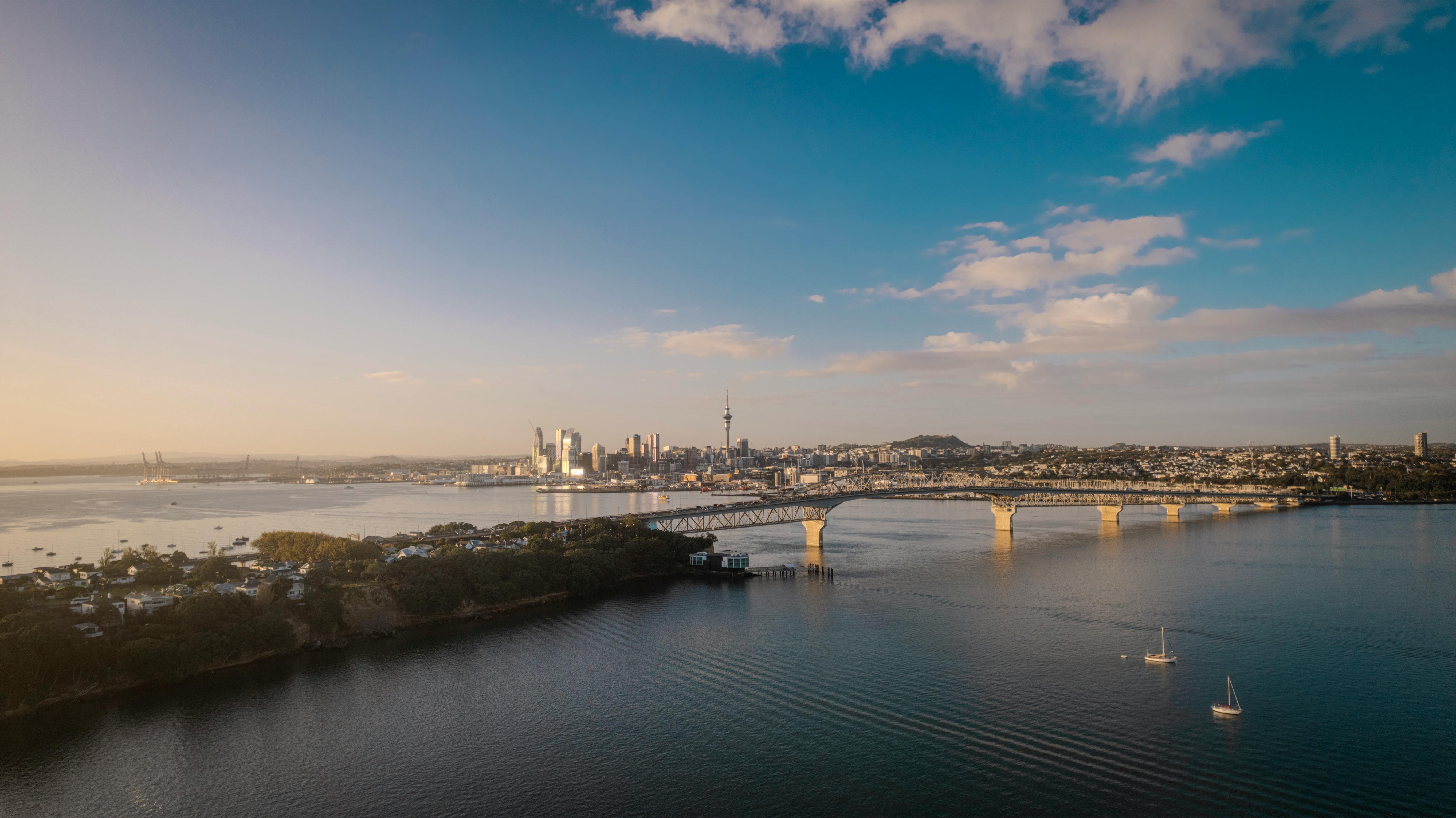
The Enel Rio Sail Grand Prix takes place April 11 to 12, 2026, at Guanabara Bay in Rio de Janeiro, with 13 F50 catamaran teams racing in SailGP Season 6 fleet racing on the bay that hosted Olympic sailing in 2016. Sugarloaf Mountain rises from the water's edge, Christ the Redeemer watches from Corcovado, and the bay's narrow entrance creates wind acceleration effects that can catch even experienced sailors off guard. The F50s racing here are framed against a skyline that makes every other venue look modest.
The thermal wind pattern in April is generally from the south to southwest, building through the morning and stabilizing at 10-15 knots by early afternoon. Guanabara Bay's enclosed shape means the water is relatively flat near the shore but can develop short chop at the entrance where ocean swell pushes in through the narrows. The transition zone between flat water and open sea creates a tactical challenge unique to Rio.
Race start is 13:00 BRT (UTC-3), an hour earlier than most SailGP venues to catch the best wind window. For fans in Buenos Aires, that is the same time, 13:00. In New York, the race begins at 12:00 noon EDT, an unusually convenient slot for North American audiences. London viewers tune in at 17:00, while Sydney fans face a 02:00 overnight start.
Martine Grael drives the Brazil SailGP Team, making history as the first female driver in SailGP. Grael won Olympic gold in the 49erFX in both 2016 (in Rio) and 2021 (Tokyo 2020 Games), giving her a personal connection to Guanabara Bay that no other competitor can match. Her father, Torben Grael, is a five-time Olympic medallist and Volvo Ocean Race winner, making the Graels arguably the most decorated sailing family in history.
The Rio event carries particular weight for Brazilian sailing culture. The country has produced Olympic champions across multiple classes, and seeing the national team race F50s on home water in front of the Copacabana and Flamengo crowds creates an atmosphere unlike anything else on the SailGP calendar.

FAQ
- Where is Enel Rio Sail Grand Prix (SailGP Season 6) being played?
- Enel Rio Sail Grand Prix (SailGP Season 6) takes place at rio-de-janeiro.