Venue
Sydney Harbour
Sydney, Australia
No sailing events scheduled at Sydney Harbour.

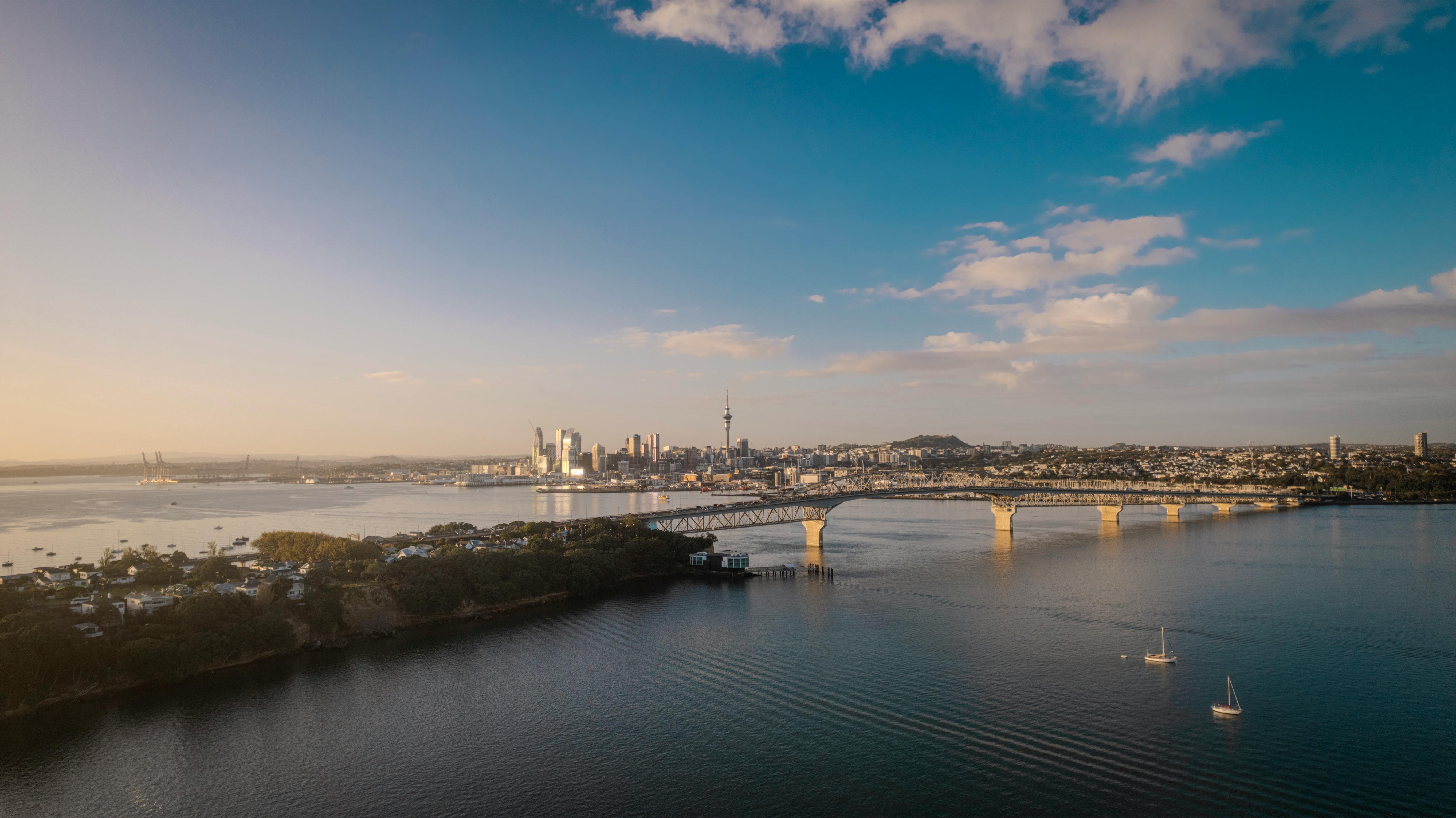
Sydney Harbour (Port Jackson) is a 19-kilometre natural harbour in Sydney, Australia, hosting SailGP's Australian Grand Prix and the annual Sydney to Hobart Yacht Race start on 26 December, one of offshore sailing's most famous departures. There is no more beautiful start line in sport: the Opera House rises on the left, the Harbour Bridge arcs behind the fleet, and spectator boats pack the water so densely the harbour seems to shrink.
The harbour stretches 19 kilometres from the Heads to Parramatta, with countless bays, headlands, and islands creating a racecourse of extraordinary tactical complexity. The narrow entrance at the Heads funnels the prevailing summer northeaster into the harbour, where it accelerates between headlands and then fractures against the tall buildings of the CBD. Wind shadows shift through the day. Puffs hit one side of the course and miss the other. Experienced harbour sailors develop an almost intuitive understanding of where the pressure will be next, a knowledge that takes years of racing to acquire.
The tidal flow through the Heads can reach 4 knots during spring tides. For SailGP F50 catamarans, that current is a tactical variable of the highest order. For the Sydney Hobart fleet departing on Boxing Day, it determines whether you start with the tide pushing you out or holding you back. Getting that wrong costs minutes you cannot recover.
Water temperature ranges from 18 degrees Celsius in winter to 23 in summer. The harbour is generally well protected from ocean swell, though southeasterly swells can push through the Heads and create uncomfortable conditions inside. The summer northeaster, the dominant racing wind from October through March, delivers 12-20 knots with reliable afternoon timing after building through the morning.
Sydney Harbour has hosted sailing at every level: the 2000 Olympics, SailGP since Season 1, the annual Sydney Hobart start that draws hundreds of thousands of spectators to the foreshore, and countless national and international championships. The Sydney to Hobart Yacht Race, which begins from the harbour on 26 December each year, is one of offshore sailing's most demanding events. The fleet must exit through the Heads, turn south, and face the Tasman Sea and Bass Strait, two bodies of water with a well-earned reputation for violent weather.
The 1998 Sydney Hobart Race, hit by a severe storm in Bass Strait that generated 80-knot winds and 15-metre waves, remains the benchmark for offshore racing disaster management. Six sailors died, five yachts sank, and 71 boats retired. The inquiry that followed reshaped offshore safety requirements globally. The race continues to start from Sydney Harbour each Boxing Day, drawing fleets of 60-100 boats, and the contrast between the harbour's summer festivity and what awaits south of the Heads is part of the race's enduring power.
The 2000 Sydney Olympics used the harbour and the adjacent offshore waters at Rushcutters Bay and Middle Harbour for sailing competition, introducing the venue to a global audience.
The Boxing Day start for the Sydney Hobart consistently attracts 300,000-plus spectators to the harbour foreshores, making it one of the most attended sporting events in Australia. Every headland, park, and clifftop with a harbour view fills with watchers. Spectator ferries depart from Circular Quay, providing water-level viewing as the fleet passes. The Cruising Yacht Club of Australia at Rushcutters Bay provides the official race base and hospitality for the event. For SailGP's Australian Grand Prix, the same foreshore infrastructure supports a stadium racing format with a dedicated event village.
The SailGP broadcast reaches global audiences. Check Sydney time before scheduling your viewing.
The yacht clubs that line the harbour, from the Royal Sydney Yacht Squadron at Kirribilli to the Cruising Yacht Club of Australia at Rushcutters Bay, represent the full spectrum of Australian sailing: blue-blazer formality to board-shorts-and-bare-feet racing culture. The Royal Prince Alfred Yacht Club at Newport and the Middle Harbour Yacht Club add to a network of clubs that makes Sydney one of the most densely provisioned sailing cities in the world.
The harbour's 19-kilometre length, varied topography, and reliable summer conditions make it equally suitable for short harbour races, day offshore courses to the Heads and back, and the Boxing Day Hobart departure. No other venue in the world serves such a diverse range of sailing formats from the same water.
The IANA timezone is Australia/Sydney (AEDT, UTC+11 during summer, AEST UTC+10 in winter). A 14:00 AEDT start in Sydney converts to 16:00 NZDT in Auckland, 03:00 GMT in London, and 22:00 EST in New York. The Boxing Day Hobart start at 13:00 AEDT lands at 21:00 EST on Christmas Day for American viewers.
But it is the scenery that stays with you. Every sailor who has raced here remembers the moment they looked up from the instruments, saw the Opera House sliding past, and thought: this is why people sail.