Sailing 2026
KPMG Sydney Sail Grand Prix (SailGP Season 6)
2026-02-28
Status
Completed
Venue
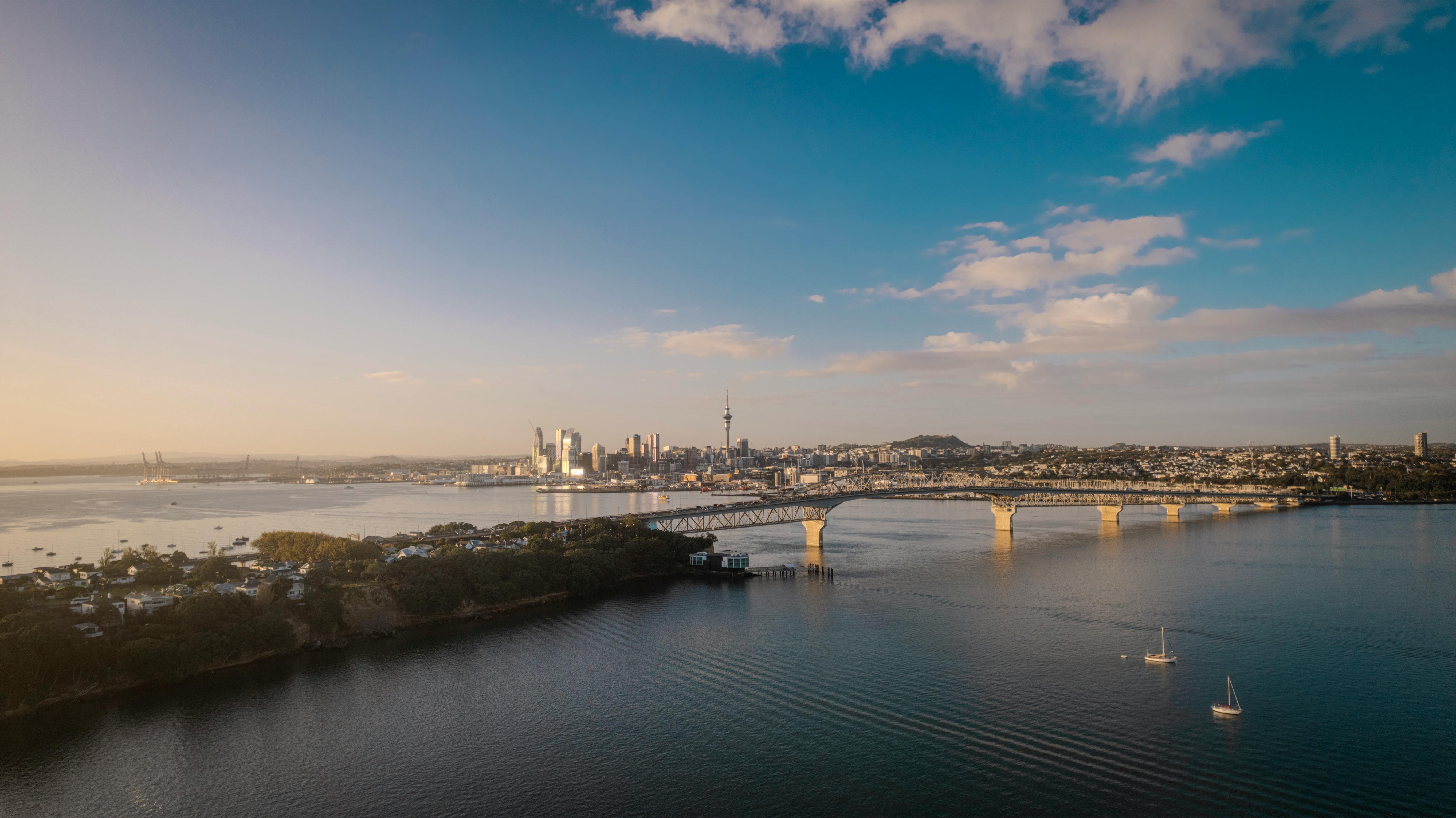
The KPMG Sydney Sail Grand Prix takes place February 28 to March 1, 2026, at Sydney Harbour, with 13 F50 catamaran teams racing at up to 50 knots in SailGP Season 6 fleet racing. The Opera House, the Harbour Bridge, and the deep blue of Port Jackson form a backdrop that no other racing venue on earth can replicate. SailGP positions the racecourse so television cameras capture the F50s blasting past the Opera House with the bridge looming behind.
The harbour itself is a complex body of water. Tidal currents flow through the Heads, wind funnels between headlands, and ferry traffic requires careful course management. The summer northeaster is the dominant breeze pattern in late February, typically 10-20 knots and building through the afternoon. When the wind aligns with the incoming tide, short, steep chop develops that tests the F50 flight controllers. Nosedives are more common here than at many other venues.
Racing is scheduled for 14:00 AEDT (UTC+11). In Auckland, that converts to 16:00, while Perth viewers tune in at 11:00. The European window is challenging: 04:00 in London, 05:00 in Central Europe. For the American east coast, the 22:00 Saturday evening slot offers a reasonable option for dedicated fans.
Sydney Harbour also serves as the start line for the Rolex Sydney Hobart Yacht Race every Boxing Day, connecting SailGP's February visit to a much older racing tradition. The harbour has hosted Olympic sailing (2000), America's Cup challenges, and countless national championships. There is no shallow water in the history department.
The Australian team's BONDS sponsorship gives the Flying Roos particularly strong visibility in Sydney, and the event draws large crowds to viewing areas at Bradleys Head, Shark Island, and the northern harbour foreshore. The spectator fleet often numbers in the hundreds, creating a chaotic but thrilling atmosphere as private boats jostle with the official racecourse boundaries.

FAQ
- Where is KPMG Sydney Sail Grand Prix (SailGP Season 6) being played?
- KPMG Sydney Sail Grand Prix (SailGP Season 6) takes place at sydney-harbour.